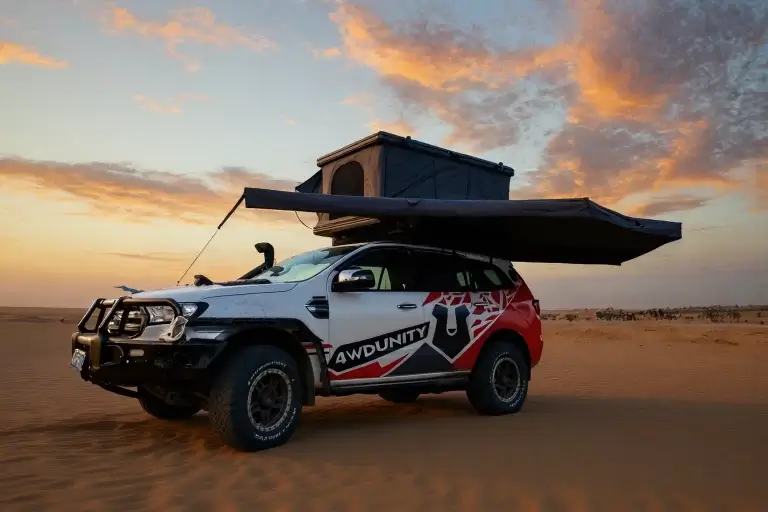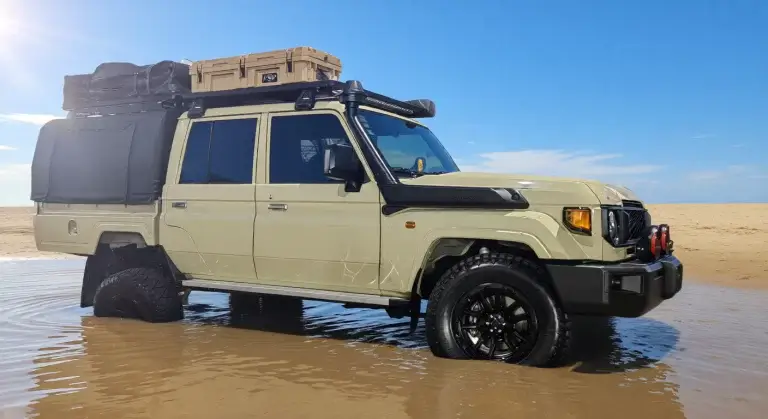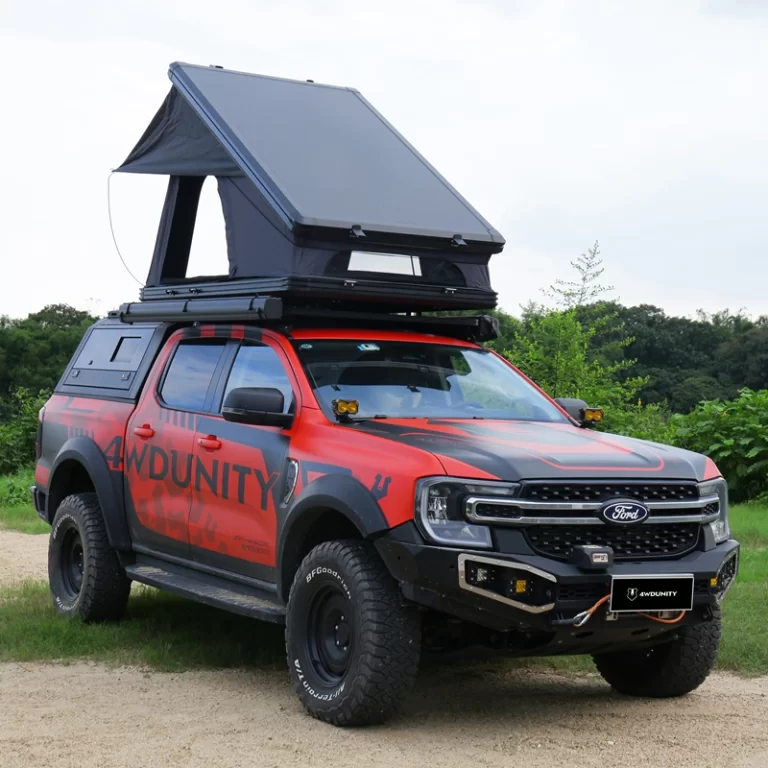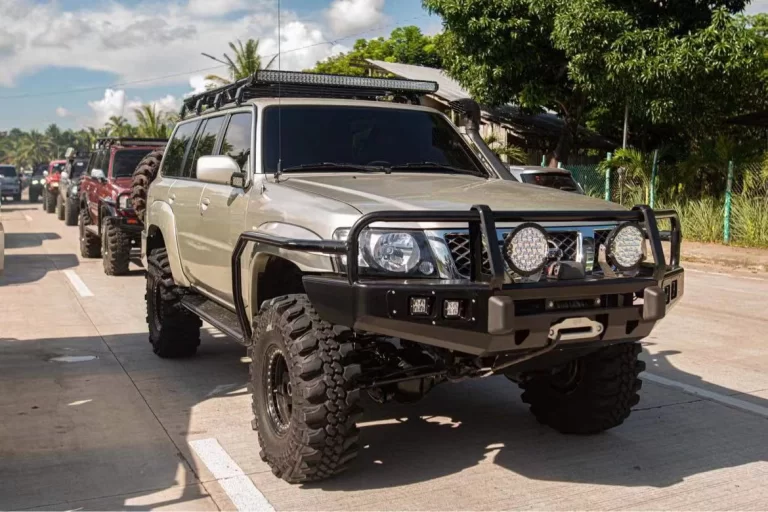









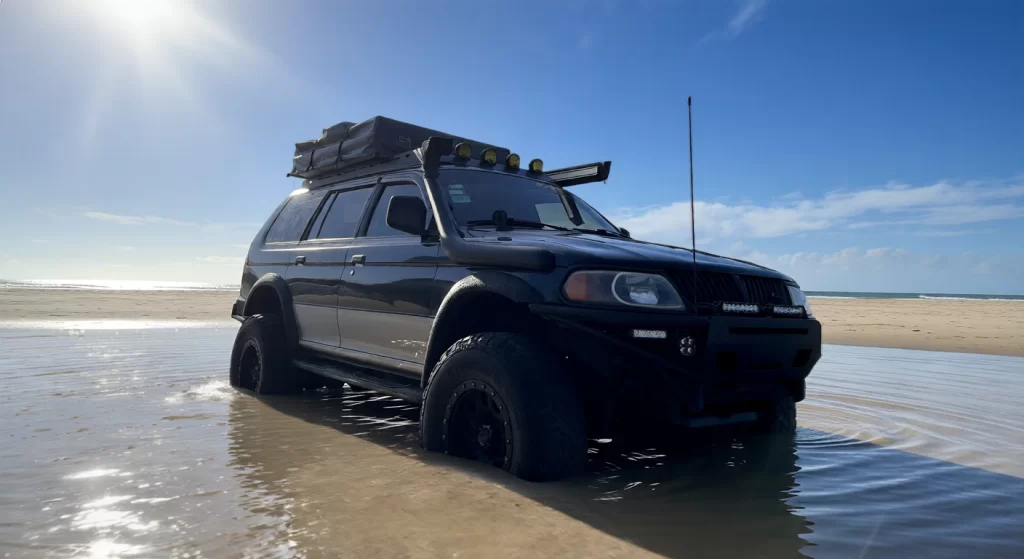
A car snorkel improves offroad performance by keeping water and dust out of your engine. It raises the air intake, letting your vehicle breathe cleaner air in tough conditions. This guide helps businesses, wholesalers, and modifiers pick the best snorkel types (Plastic Car Snorkel or Stainless Snorkel) for popular models like Toyota, Ford, Suzuki, Jeep, and VW. We’ll focus on universal features, not brand-specific options.
Understanding Snorkel Types and Materials
Not all snorkels work the same—material choice affects durability, cost, and performance.
- Plastic Car Snorkels
- Lightweight and rust-free
- Budget-friendly
- Best for moderate offroading
- May warp under extreme heat
- Stainless Snorkels
- Much stronger than plastic
- Sleek, professional look
- Heavier and more expensive
- Noisier but handles high heat better
Hybrid designs mix plastic shrouds with stainless brackets for balance.
Vehicle-Specific Compatibility
Snorkels must fit your car’s exact model and air intake setup.
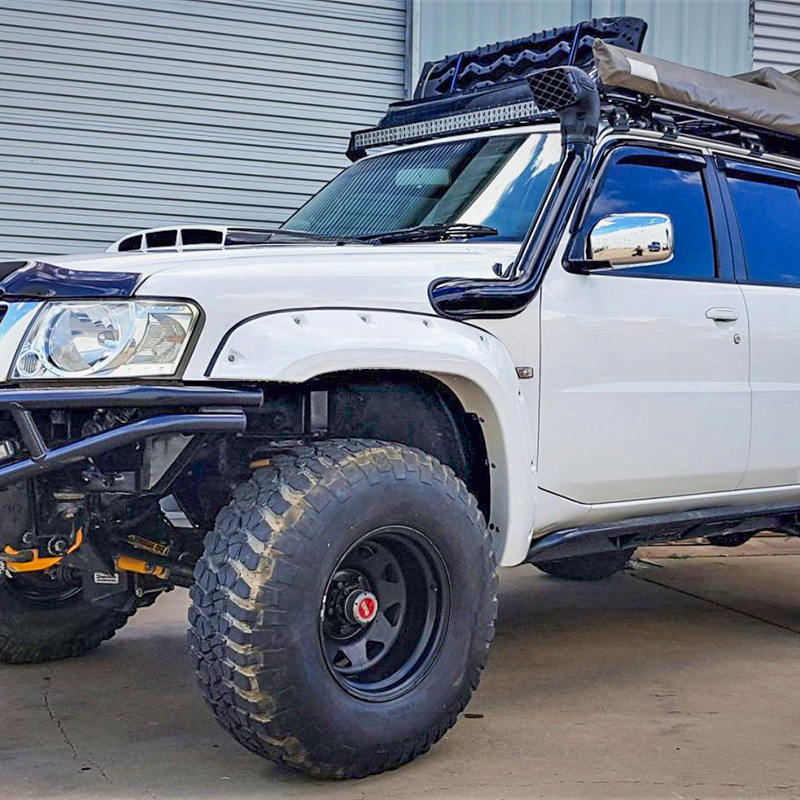
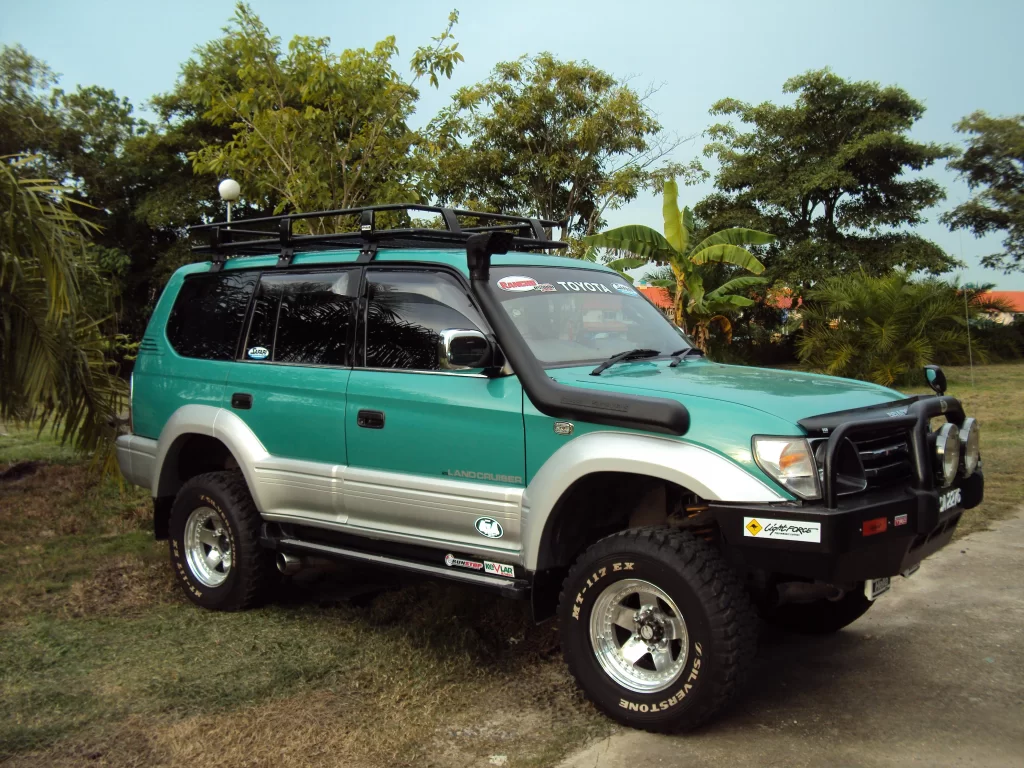
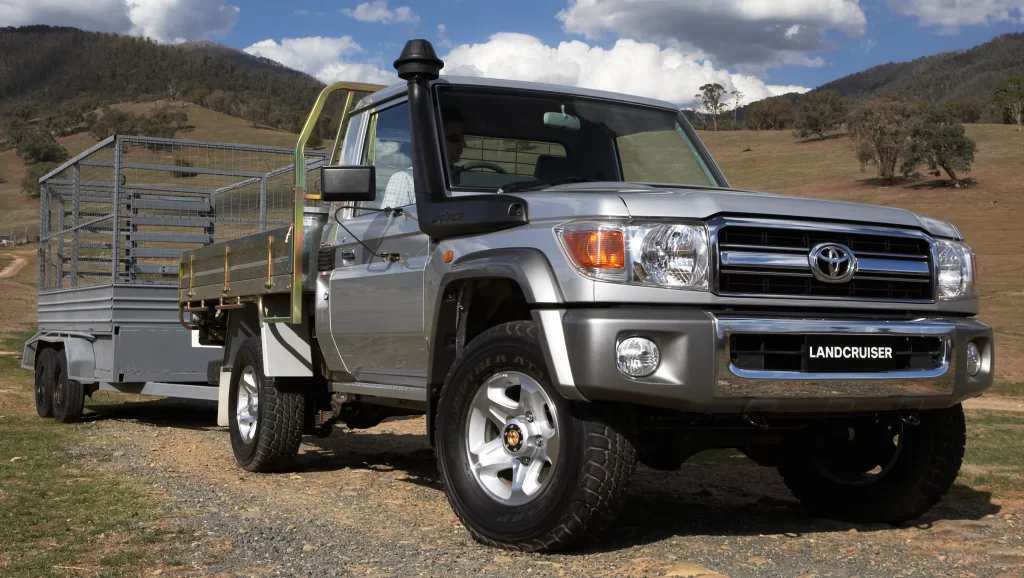
- Toyota Hilux/Land Cruiser – Needs curved snorkels to match fender shapes
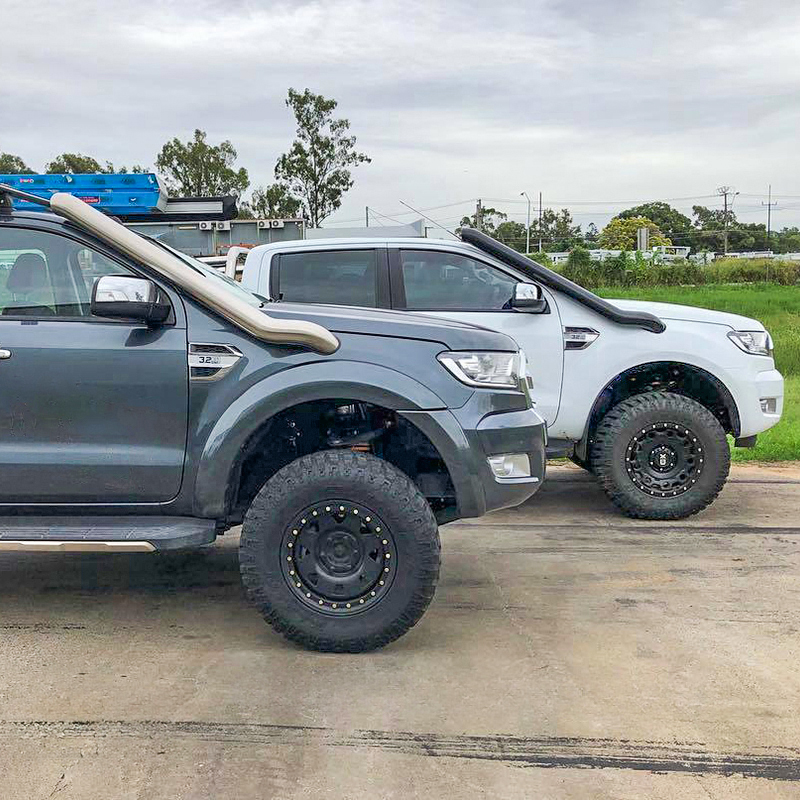
- Ford Ranger – Adjustable necks help with different engine bays
- Suzuki Jimny – Compact spacing requires low-profile designs
- Jeep Wrangler – Modular snorkels work best with aftermarket mods
- VW Amarok – Must not block antennas or sensors
Always check if the snorkel fits your factory airbox—some need adapter kits.
Offroad Performance Considerations
Design impacts how well the snorkel keeps out dust and water.
- Ram-air heads – Best for dusty trails, spinning debris away
- Cyclonic pre-cleaners – Great for heavy dust but reduce airflow
- Forward-facing intakes – Better in rain, less water sucked in
- Low-mounted snorkels – Risk flooding in deep water
Reinforced brackets help high-clearance vehicles handle brush impacts.
Installation and Maintenance
Proper setup prevents leaks and engine damage.
- Use included templates—but check for accessory conflicts (like light bars)
- Bolt-on mounts last longer than adhesive
- Seal joints with silicone
- Inspect clamps regularly for rust or looseness
- Clean removable filters every month in dusty areas
- Avoid DIY cuts—they weaken the snorkel
Regulatory and Warranty Issues
Some snorkels affect vehicle warranties or local laws.
- Certain regions ban snorkels sticking out past mirrors
- Modifying your car might void warranties
- Stainless snorkels could cause rust claims if installed wrong
- Stock snorkels certified for road use (like TÜV-approved)
Keep OEM parts for resale or warranty fixes.
Wholesale and Customization
Bulk buyers can save money and offer custom options.
- Modular designs fit multiple car models, cutting inventory costs
- Custom paint or laser-etched logos boost branding
- Bundle snorkels with air filters for bigger profits
- Work with manufacturers for climate-specific designs (desert vs. tropical)
How to Choose the Right Car Snorkel for Your Vehicle
Understanding Snorkel Types and Materials
Car snorkels come in plastic or stainless steel, each with pros and cons.
- Plastic Car Snorkels:
- Lightweight, resistant to rust, and cheaper.
- Best for trucks like Toyota Hilux or Suzuki Jimny doing moderate offroading.
- May warp in extreme heat over time.
- Stainless Snorkels:
- Stronger, lasts longer, and looks premium.
- Better for heavy-duty use (Jeep Wrangler, Ford Ranger).
- Heavier and may increase engine noise.
Hybrid designs combine plastic tops with steel mounts—ideal for harsh conditions.
Vehicle-Specific Compatibility
Not all snorkels fit every car. Key considerations:
- Toyota Land Cruiser / Hilux: Need curved designs matching fender shape.
- Ford Ranger: Adjustable snorkel necks help fit tight engine bays.
- Suzuki Jimny: Short hoods require low-profile snorkels.
- Jeep Wrangler: Modular kits work best due to aftermarket upgrades.
- VW Amarok: Avoid models blocking antennas or sensors.
Check if the snorkel matches your OEM airbox or requires adapter kits.
Offroad Performance Considerations
Snorkel design affects water and dust protection:
- Ram-air heads: Best for dust—spins debris away before air enters.
- Cyclonic pre-cleaners: Trap more dirt but slightly reduce airflow.
- Forward-facing intakes: Reduce water splash intake during rain.
Low-mounted snorkels risk sucking water during deep crossings. High-clearance vehicles need reinforced brackets to handle brush impacts.
Tests show angled snorkel necks cut wind noise at highway speeds.
Installation & Maintenance
Proper setup prevents engine damage:
- Use templates for precise drilling, checking for light bars first.
- Adhesive mounts work on thin panels; bolt-on is stronger.
- Seal joints with silicone to stop leaks.
- Check clamps yearly for rust or looseness.
- Clean pre-filters monthly in dusty areas.
Avoid DIY cuts—wrong changes may weaken the snorkel.
Legal & Warranty Concerns
Some laws restrict snorkel height or side protrusions.
- Warn customers about possible voided warranties (especially new trucks).
- Stainless snorkels may cause corrosion claims if installed poorly.
- Stock TÜV-approved snorkels for road legality.
Keep OEM parts for resale or warranty requests.
Business & Wholesale Tips
Buyers can save by stocking universal kits with model adapters.
- Offer custom colors or branding via laser etching.
- Bundle snorkels with high-flow air filters for higher sales.
- Partner with makers for region-specific designs (desert vs. tropical).
Flexible inventory cuts costs and boosts customer options.
By weighing material, fitment, and offroad needs, businesses can guide buyers to the best choice. Focus on durable, adaptable designs over brand names alone.