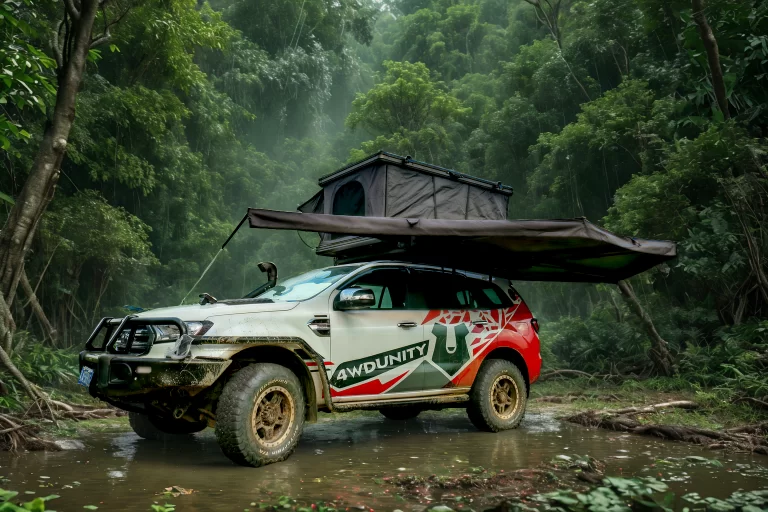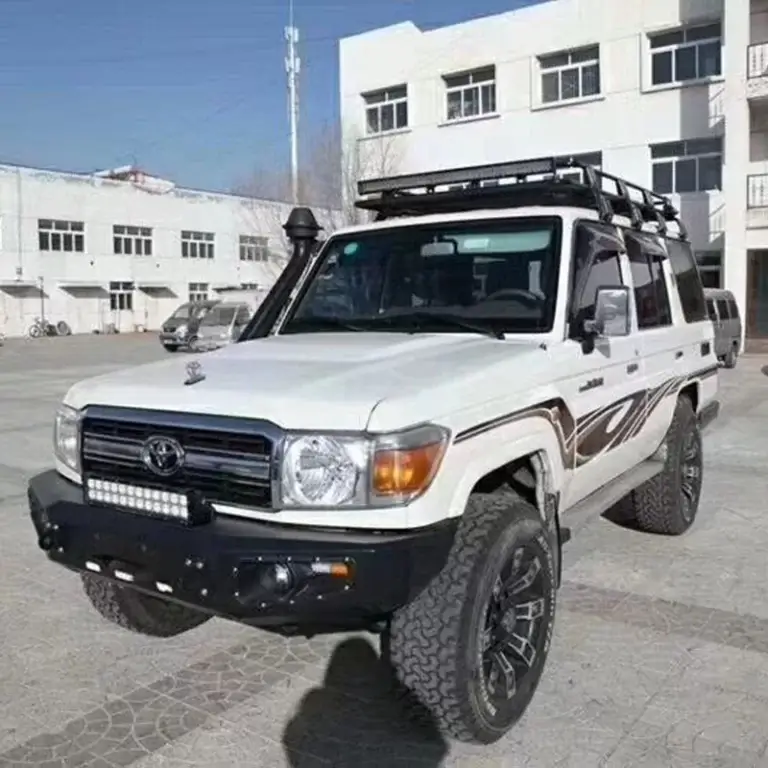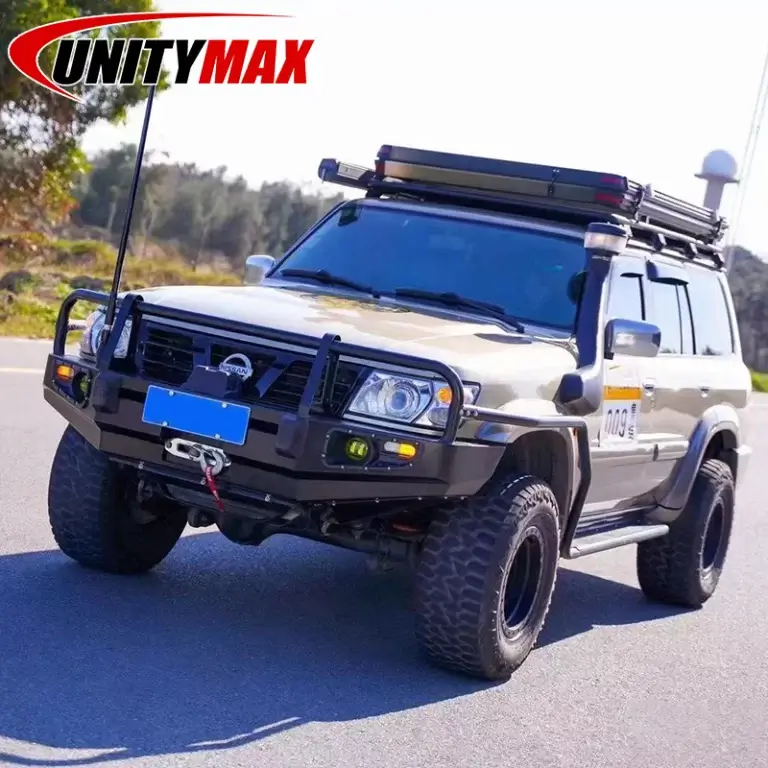






A car snorkel lifts a vehicle’s air intake to protect it from water and dust during off-road driving. Businesses and wholesalers need to understand snorkel types, materials, and compatibility to make informed decisions. This guide covers key factors like durability, fitment, and performance without focusing on brand names.

Types and Materials of Snorkels
Snorkels come in different materials, each with pros and cons:
- ABS Plastic: Lightweight, resists corrosion, and is cost-effective—ideal for bulk orders. Downsides include potential UV degradation over time.
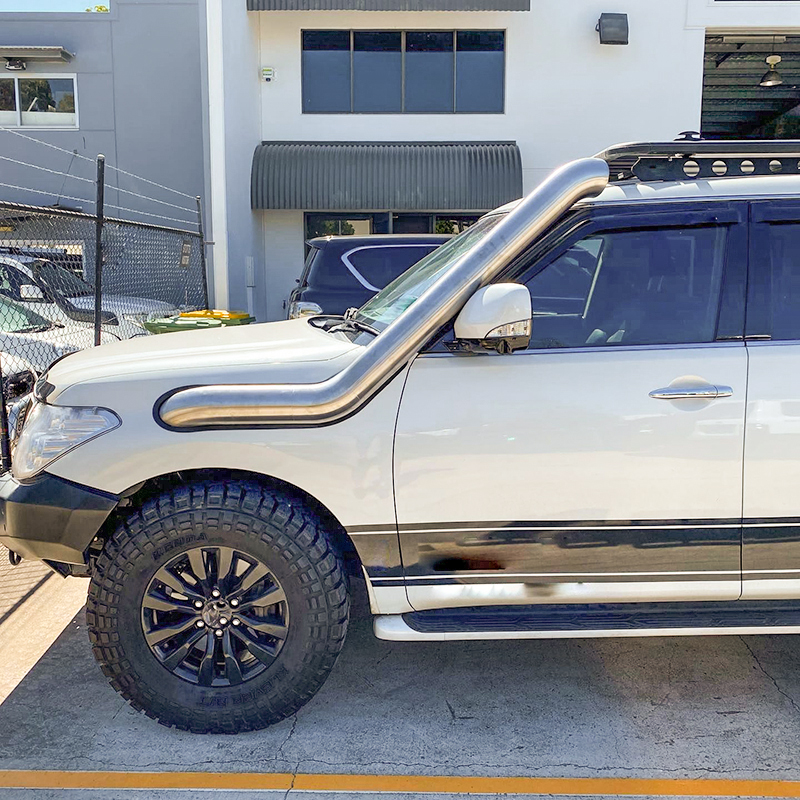
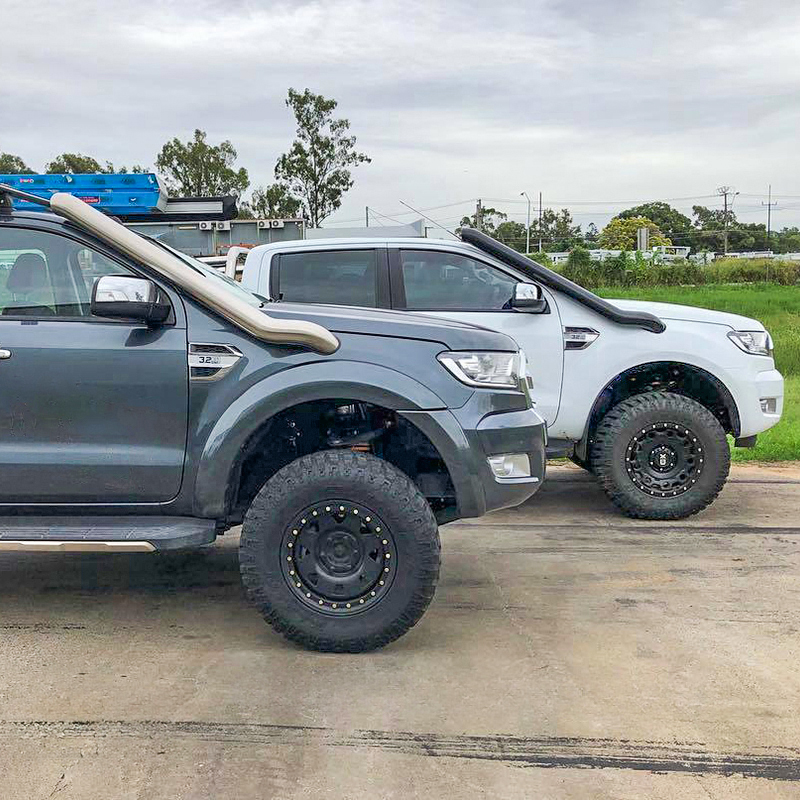
- Stainless Steel: Extremely durable and heat-resistant but heavier and may vibrate more.
- Hybrid Designs: Combine plastic ducts with metal brackets for balance between strength and weight.
For off-road use, abrasion and impact resistance matter most. Stainless steel lasts longer in harsh conditions, while ABS is better for budget-friendly wholesale orders.
Checking Vehicle Compatibility
A snorkel must match the exact make, model, and year of the vehicle. Compatibility depends on:
- Airbox location
- Fender shape
- A-pillar clearance
Universal snorkels may require cutting or drilling, which can void warranties. OEM-style bolt-on kits provide easier installation. Suppliers specializing in Asian-market vehicles (like Suzuki Jimny) often offer precise-fit options.
Performance Features
Snorkel design impacts engine performance:
- Ram-Air Heads: Boost airflow at high speed but may collect debris.
- Cyclone Filters: Reduce debris intake but limit airflow volume.
Waterproofing is critical—check seam sealing, gasket quality, and clamp tightness for deep-water crossings. NSF-approved plastics are important for buyers needing regulatory compliance.
Installation Challenges
Different snorkels require different installation steps:
- Pre-Drilled Kits: Faster to install with minimal adjustments.
- Non-Drilled Units: Need professional welding or cutting.
Suppliers should provide guides, videos, or CAD templates to help wholesalers assist with installations. Common issues include misaligned airbox adapters or poor sealant application.
Testing and Quality Standards
Wholesale buyers should verify snorkel durability through:
- Salt-spray tests (for corrosion resistance)
- UV stability ratings (for plastic models)
- Impact tests (simulating off-road damage)
Third-party certifications like ISO 9001 indicate reliable manufacturing. Weak brackets or poor material blends can lead to failures.
Choosing Suppliers for Bulk Orders
When sourcing snorkels wholesale, consider:
- Minimum order quantities (MOQ)
- Lead times
- Private labeling options
Inspect samples for weld quality (stainless steel) or plastic thickness consistency (ABS). Direct manufacturer partnerships reduce costs but require strict quality checks.
Market Trends
Demand is shifting toward:
- Modular snorkel heads (switch between desert and water-use designs)
- Low-profile styles for urban 4×4 vehicles
- Future-proof options for off-road electric vehicles
ABS remains popular in budget markets, while stainless steel appeals to premium buyers. Staying updated on trends helps businesses stock what customers want.
How to Choose the Right Car Snorkel for Your Vehicle
Understanding Snorkel Types and Materials
Car snorkels come in different materials, each with advantages:
- ABS Plastic: Lightweight, affordable, and resists corrosion. Best for bulk orders but may fade or crack under long sun exposure.
- Stainless Steel: Stronger and heat-resistant but heavier and can vibrate at high speeds.
- Hybrid Designs: Combine plastic tubes with metal brackets for a balance of durability and weight savings.
For off-road use, check material thickness—ABS should be at least 4mm thick, while stainless steel needs 1.5mm thickness to avoid denting.
Vehicle-Specific Compatibility Checks
Snorkels must fit exact models. Examples:
- Toyota Hilux: Needs precise fender cutouts due to curved body panels.
- Jeep Wrangler JL: Requires A-pillar clearance checks to avoid windshield interference.
- Suzuki Jimny: Compact design needs shorter snorkels to maintain approach angles.
China suppliers often provide custom molds for Asian-market vehicles like the Jimny. Always ask for vehicle-specific templates before drilling.
Performance and Functional Considerations
Snorkel designs impact engine efficiency:
- Ram-Air Heads: Boost airflow at high speeds but may suck in dust.
- Cyclone Filters: Reduce debris but cut airflow by ~15%.
- Static vs. Dynamic Pressure: Diesel engines work better with dynamic intakes that reduce turbulence.
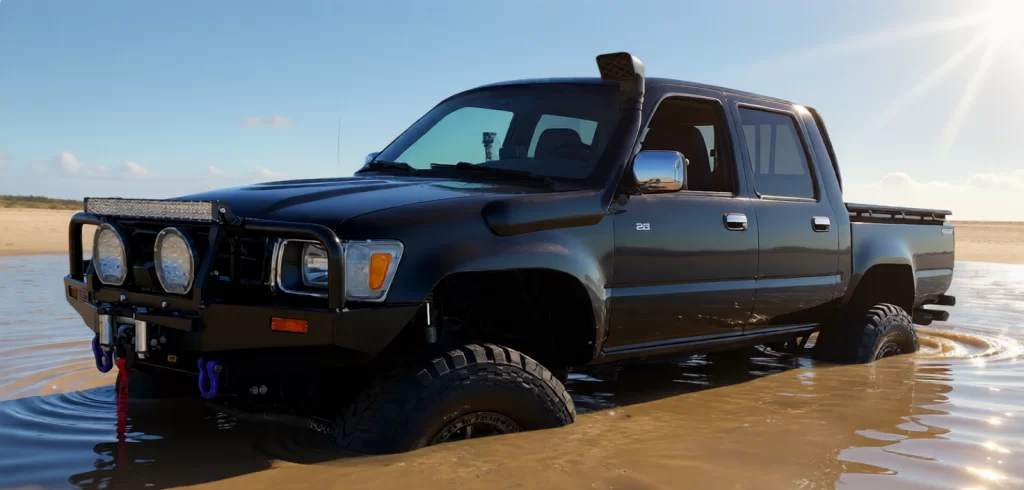
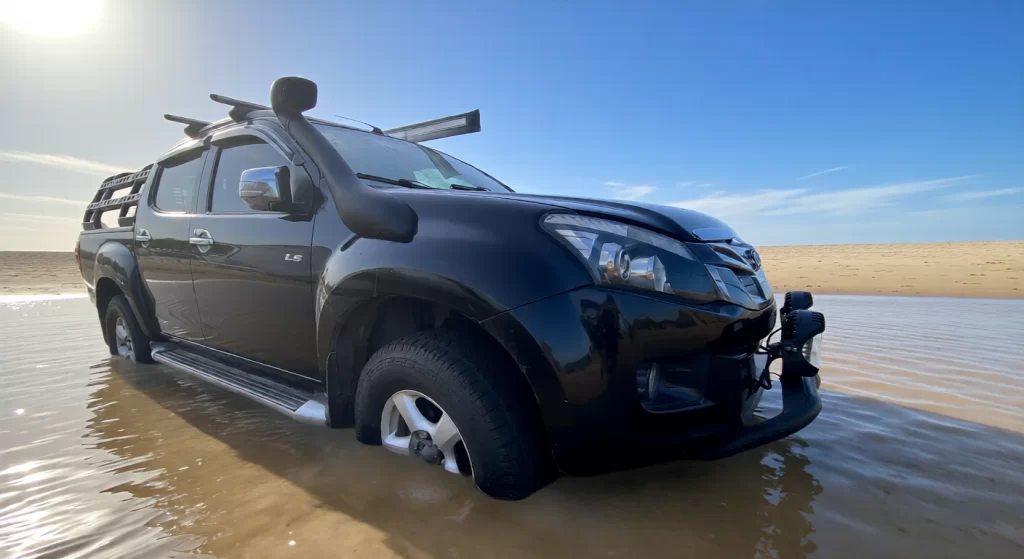
For water crossings, check ISO 9001-rated seals and clamp tightness. Poor seals leak at depths over 800mm.
Installation Complexities and Support
- Pre-Drilled Kits: Save time but limit adjustment options.
- Non-Drilled Snorkels: Require exact measurements—laser-cut templates help.
- Sealant Use: Avoid silicone; polyurethane sealants last longer against heat and water.
Suppliers should offer QR codes linking to step-by-step video guides. Improper installations often cause airbox leaks.
Durability Testing and Quality Assurance
Demand test reports from manufacturers:
- Salt-Spray Tests: 500+ hours for coastal durability.
- UV Resistance: ABS should withstand 1,000+ hours without cracking.
- Impact Tests: Metal snorkels must survive 5kg drops from 1m height.
Brittle plastic or weak brackets fail during trail impacts—inspect weld points on stainless units.
Supplier Evaluation for Bulk Purchases
Key checks for wholesalers:
- MOQ Flexibility: Good suppliers offer samples before 100+ unit orders.
- Packaging: Double-wall boxes prevent shipping damage.
- Private Labeling: Confirms OEM capabilities.
Factory audits ensure better quality control than trading companies.
Market Trends and Customer Demand
- Modular Heads: Let users swap between dust and water-prevention caps.
- Low-Profile Snorkels: Gaining popularity for street-legal 4×4 builds.
- EV Snorkels: Prototypes exist for electric off-road cooling systems.
ABS dominates budget markets (60% of wholesale demand), while stainless steel holds 30% in premium segments.
Sources: ISO 9001 manufacturing standards, third-party lab test data, supplier MOQ reports.