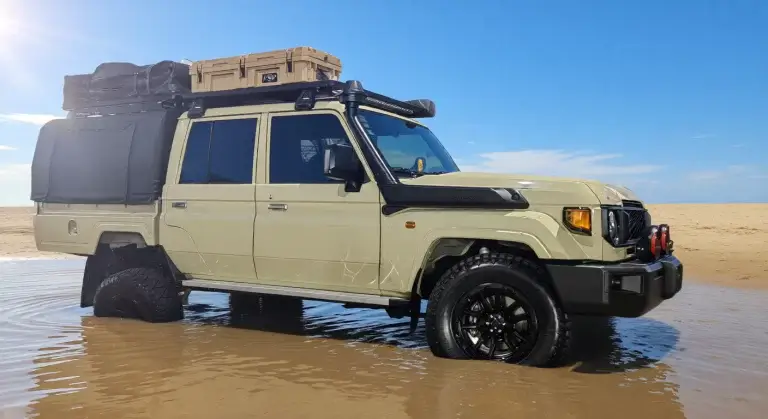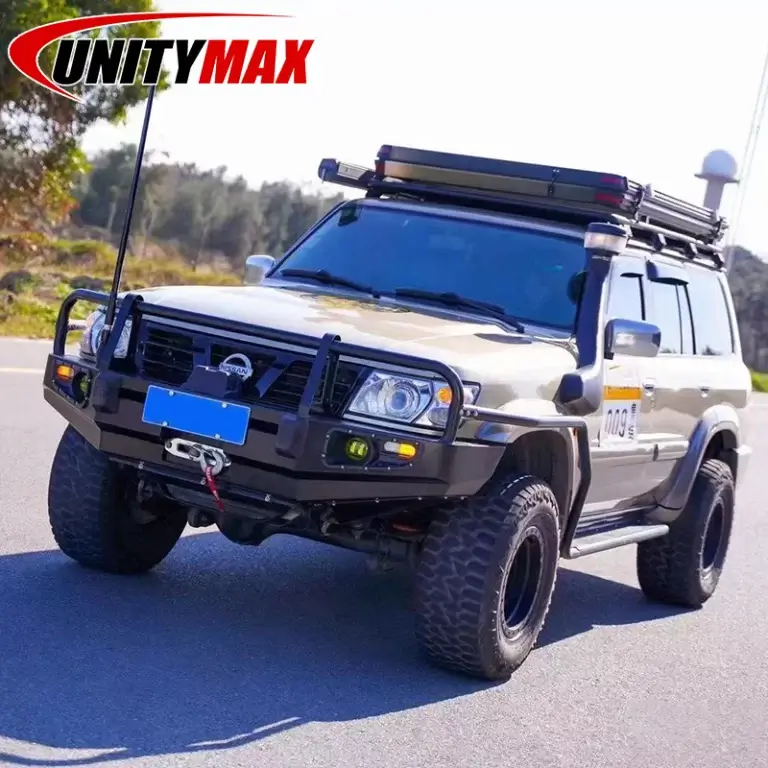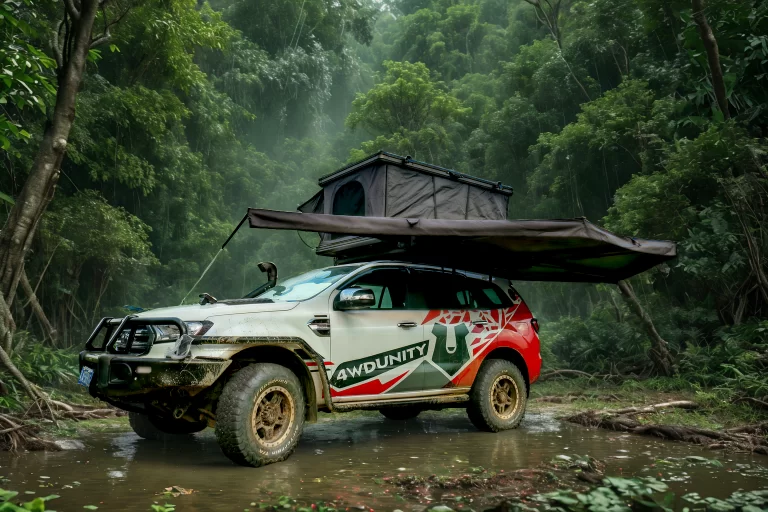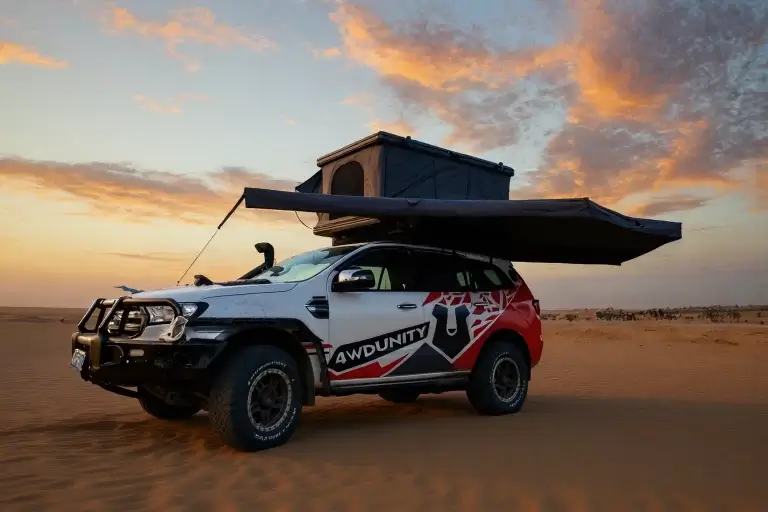
A car snorkel is a must-have accessory for offroad vehicles. It raises the air intake to keep water, dust, and debris out of the engine. This guide helps businesses and wholesalers pick the best snorkels based on material, fit, airflow, and supplier trust.
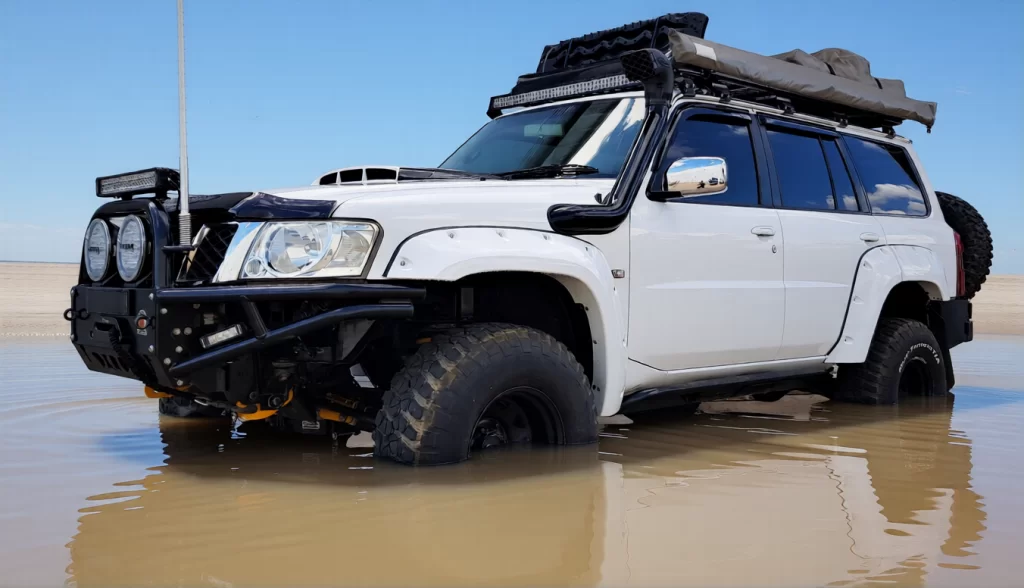
Understanding Snorkel Materials
ABS Plastic
- Lightweight and affordable
- Resists corrosion but may weaken in extreme heat
- Best for general offroading
Stainless Steel
- Stronger for rough use
- Heavy and gets hot in sunlight
- Needs regular checks for rust
Polyethylene
- Tough yet flexible
- Handles rocks and bumps well
- UV-resistant options last longer
Look for ISO or ASTM certifications when choosing suppliers.
Vehicle-Specific Compatibility
Not all snorkels fit every vehicle. Key checks:
- Match snorkel diameter (70-120mm) to the airbox
- Confirm factory mounting points fit without extra drilling
- Watch height limits—some areas ban snorkels over a certain size
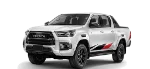
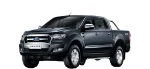
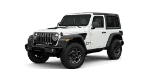
Popular models include Ford Ranger, Toyota Hilux, and Jeep Wrangler snorkels.
Airflow and Hydrostatic Performance
Good airflow keeps the engine running smoothly:
- Cyclone-style heads improve high-speed airflow
- Smooth inner walls reduce air turbulence
- Hydrostatic tests prove waterproof seals
Avoid snorkels with sharp bends—they slow down air.
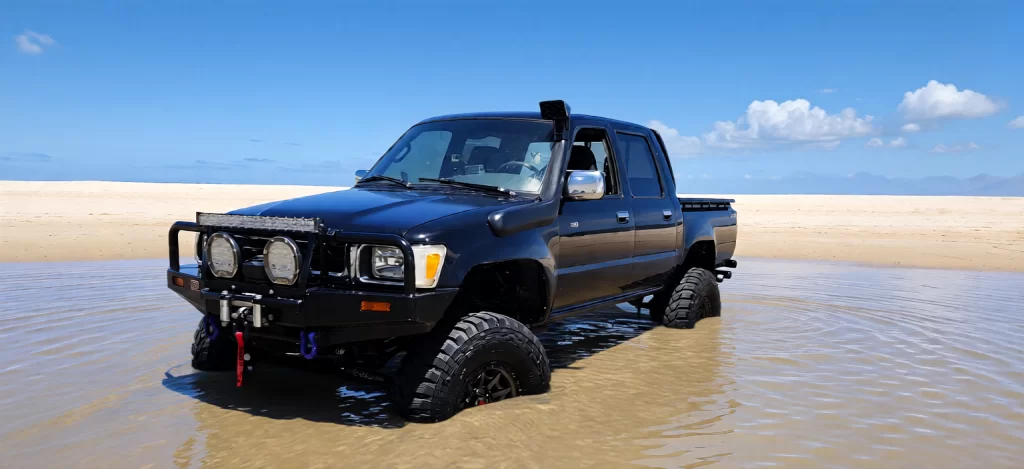
Manufacturing and Supplier Evaluation
Choose suppliers with:
- ISO 9001 certification
- Clear warranty terms
- Samples to test before bulk orders
Check weld quality on metal snorkels—uneven seams leak.
Installation and After-Sale Support
Easy-install snorkels sell better:
- Pre-cut templates save time
- Full hardware kits prevent missing parts
- Video guides help with training
Good suppliers stock replacement clamps and seals.
Market Trends and Niche Demands
New trends include:
- Swappable heads for dust or water
- Anti-static models for mining trucks
- UV-coated colors for custom builds
Stay updated on new vehicle models needing snorkels.
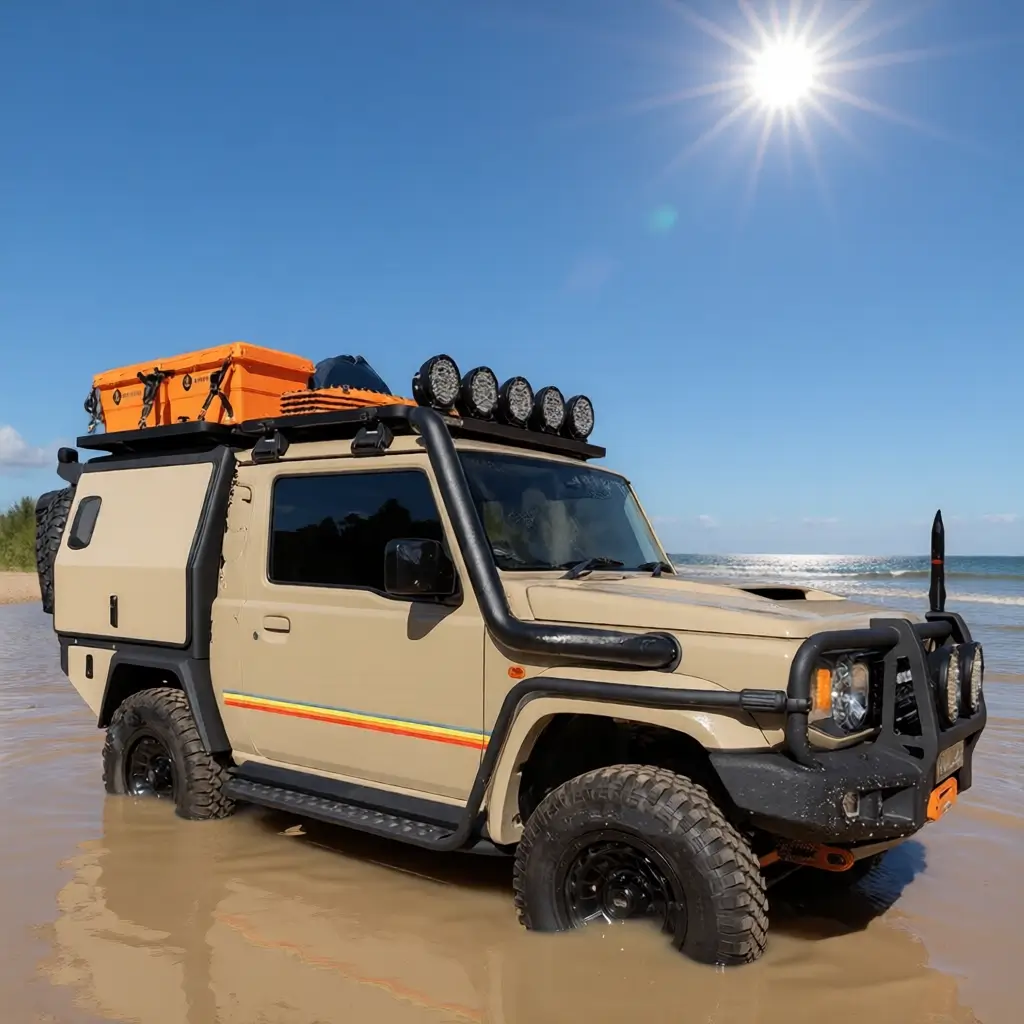
Understanding Snorkel Materials
ABS plastic snorkels weigh less (typically 2–4kg), resist corrosion, and suit most offroad conditions. Stainless steel models handle extreme abuse but add 5–8kg and cost 30-50% more. Polyethylene units flex on impact—ideal for rocky trails. Demand UV-stabilized materials (tested for 500+ hours under ASTM G154) to prevent sun damage.
Vehicle-Specific Compatibility
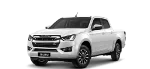
Toyota Hilux (2015+) and Ford Ranger (2011–2023) snorkels often sell fastest—stock these first. Match inlet diameters:
- Toyota Land Cruiser: 80mm
- Jeep Wrangler JL: 76mm
- Isuzu D-Max: 70mm
Snorkels needing no bodywork (like Bolt-On designs) reduce shops’ labor costs by 20–40%.
Airflow and Hydrostatic Performance
Cyclone-head snorkels boost airflow by 15–20% at 60+ mph vs. standard designs. Check for:
- Smooth inner diameters (no ridges)
- 90° bends (not sharp 120° angles)
Hydrostatic tests should confirm sealing at 1.5m depth (minimum 30 minutes).
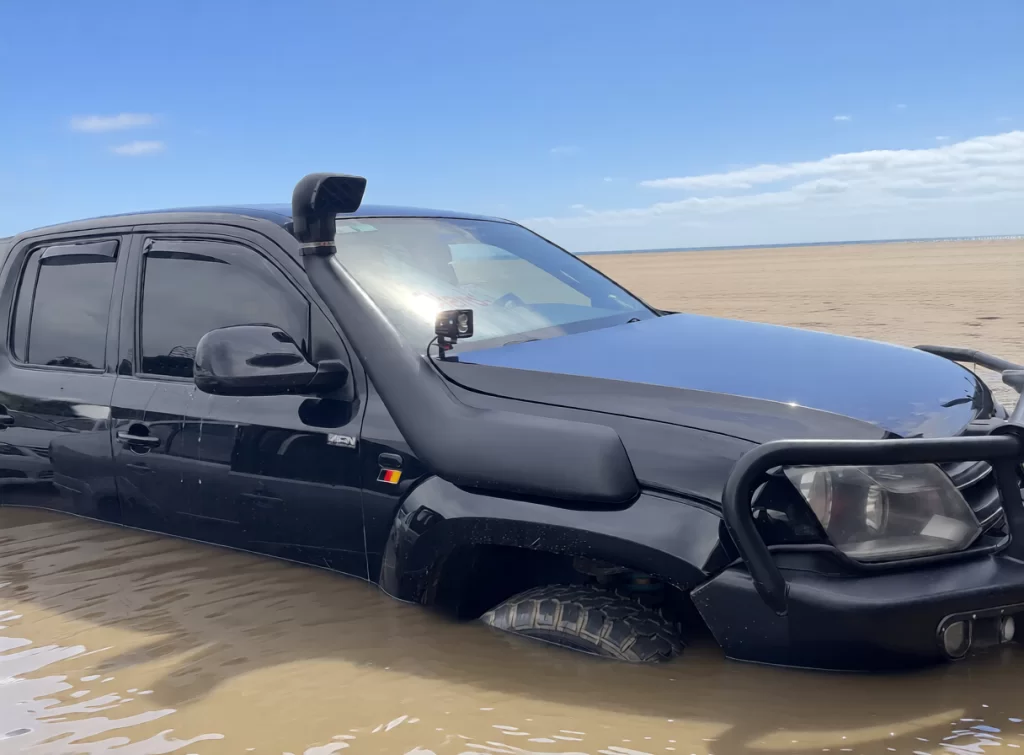
Manufacturing and Supplier Checks
China supplies 70% of global snorkels—verify:
- ISO 9001-certified production
- MOQs (usually 50–100 units for customization)
- Lead times (4–6 weeks standard)
Reject suppliers without mold certification or pressure-test reports.
Installation and Support
Kits with laser-cut templates speed up installs by 25%. Top suppliers include:
- Pre-drilled hardware
- Silicone hose (heat-resistant to 200°C)
- Multi-language manuals
Stock spare snorkel heads—dust/water variants sell 2x faster in arid/wet regions.
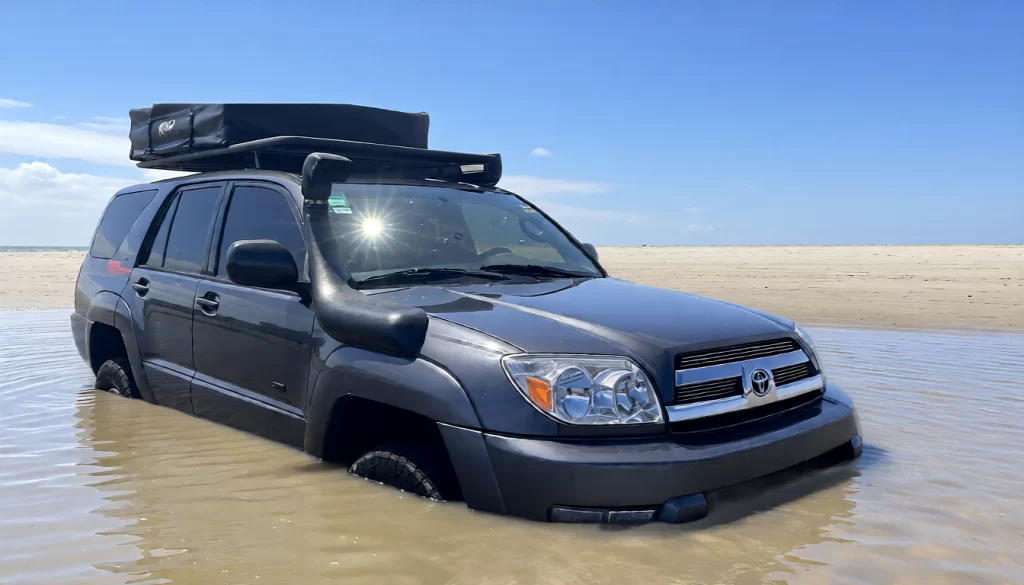
Market Trends
Modular designs (like switchable Sahara or Ram heads) fit 80% of 4x4s. Electrostatic-proof models are gaining in mining sectors (+12% demand YoY). Matte black snorkels outsell chrome 3:1 in urban markets.