
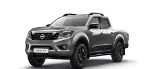
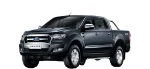
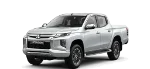
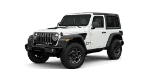


Off-roading puts vehicles through tough conditions, and factory plastic bumpers can’t keep up. Steel car bumpers are built stronger, protecting critical parts and improving functionality. Shops and businesses supplying off-road gear need durable options that customers trust. This guide explains why steel outperforms other materials and how it boosts off-road performance.
Defining Key Terms
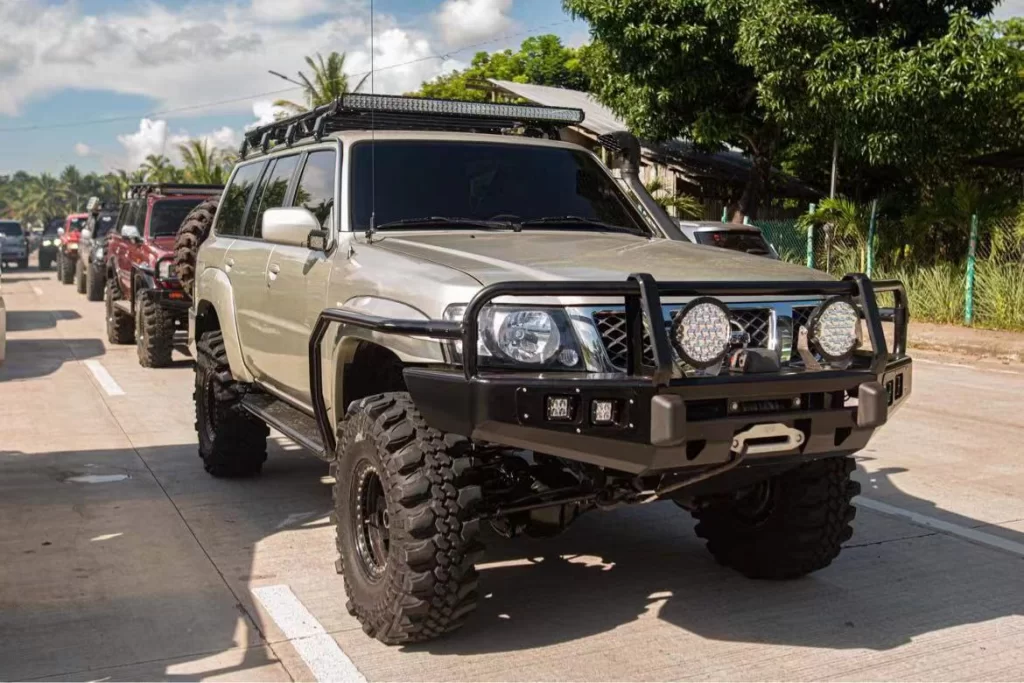
- Steel Car Bumper: A heavy-duty metal replacement for factory bumpers, made from 3/16″ or 1/4″ steel for impact resistance.
- Bull Bar: A type of front bumper with tubular protection for grilles and mounts for lights or winches.
- Recovery Points: Built-in hooks or D-rings rated for safe vehicle recovery during off-road situations.
- Approach/Departure Angles: Measurements showing how steep an obstacle a vehicle can climb or descend without scraping the bumper.
Why Steel Outperforms Other Materials
- Plastic cracks easily, and aluminum bends—steel stays strong, with a tensile strength of 40,000–50,000 PSI.
- Powder-coated or galvanized steel fights rust better than untreated metals, ideal for mud and water.
- Steel offers the best balance of strength and weight, unlike iron, which is too heavy for most vehicles.
- Welding accessories like jack mounts or limb risers directly to steel is simple, unlike brittle materials.
Critical Protective Functions
- Prevents radiator, headlight, and intercooler damage from rocks or wildlife strikes.
- Reinforces the frame, spreading crash impact across the chassis instead of crumpling at 5+ mph collisions.
- Some designs extend downward as skid plates, guarding steering parts from rocks.
- Winch-ready with built-in plates rated for 8,000–12,000 lbs—unlike weak factory bumpers.
Enhancing Off-Road Capabilities
- Shortens overhangs, adding 10–15 degrees to approach angles for climbing steep terrain.
- Pre-drilled mounting points for LED bars or fog lights improve night vision—plastic bumpers don’t support this.
- High-clearance designs fit larger tires (35″+) without rubbing during suspension movement.
- Sealed mounts keep electrical connections safe during deep water crossings, crucial for snorkel-equipped rigs.
Customization for Commercial Buyers
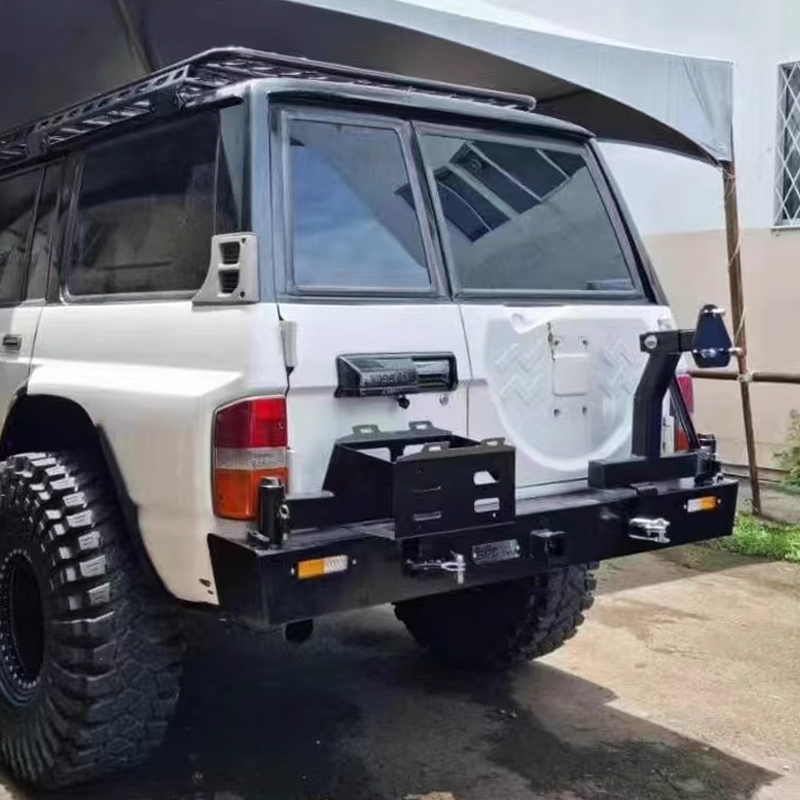
- Shops can order bulk batches with branded designs or pre-installed accessories.
- Choose bolt-on for easy DIY installations or weld-on versions for permanent heavy-duty setups.
- Offer custom powder coat colors (textured black, camo) to match vehicle wraps or company branding.
- Stock base bumpers and add customer-requested upgrades like lights or shackles later.
Cost-Benefit Analysis for Shops
- Steel bumpers last years, saving money compared to frequent plastic replacements.
- Insurance companies may offer discounts for crash-rated steel bumpers (SEMA-certified).
- Fleet operators see up to 60% fewer replacements after switching to steel.
- Bundling bumpers with winches or lights increases sales value by 30–50%.
Why Steel Car Bumpers Are Essential for Off-Road Vehicles
Defining Key Terms
- Steel Car Bumper: A heavy-duty metal replacement for factory bumpers, made from 3/16″ or 1/4″ steel. It absorbs impacts and supports off-road gear.
- Bull Bar: A steel tube bar protecting the front grill, often with mounts for lights or winches.
- Recovery Points: Built-in D-rings or tow hooks for safe vehicle recovery during off-roading.
- Approach/Departure Angles: The maximum incline or decline a vehicle can tackle without scraping the bumper. Steel bumpers improve these angles.
Why Steel Outperforms Other Materials
- Plastic breaks, aluminum bends, steel holds. Factory plastic bumpers crack easily, while aluminum deforms under pressure. Steel resists damage with 40,000–50,000 PSI tensile strength.
- Corrosion-resistant. Powder-coated or galvanized steel withstands mud, water, and salt better than untreated metals.
- Strong but not too heavy. Steel offers durability without excessive weight, unlike iron.
- Easy to modify. Accessories like winches or skid plates can be welded onto steel bumpers—something not possible with plastic or aluminum.
Protective Benefits of Steel Bumpers
- Guards critical parts. Radiators, headlights, and intercoolers stay safe from rocks and wildlife collisions.
- Reinforces the frame. Steel bumpers spread crash forces evenly, reducing damage in impacts over 5 mph.
- Shields undercarriage. Some designs extend downward to protect steering components from rocks.
- Winch-ready. Built-in winch plates support recovery gear rated for 8,000–12,000 lbs—unlike stock bumpers.
How Steel Bumpers Improve Off-Road Performance
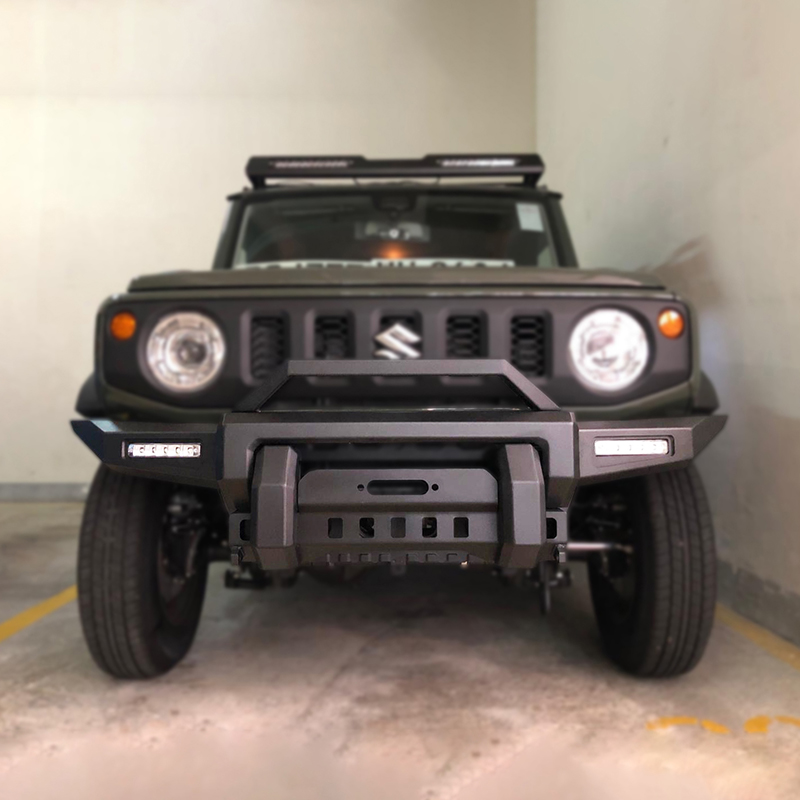
- Better approach/departure angles. Steel bumpers reduce overhang, improving clearance by 10–15 degrees.
- Supports off-road lighting. Pre-drilled mounts for LED light bars improve visibility on dark trails.
- More tire clearance. High-clearance designs prevent rubbing when running large off-road tires (35″+).
- Water-fording friendly. Sealed electrical mounts prevent shorts in deep water crossings.
Customization Options for Businesses
- Branded designs. Shops can order steel bumpers with custom-cut logos or pre-installed accessories.
- Bolt-on vs. weld-on. Bolt-on versions suit DIY customers, while weld-on bumpers offer stronger fixes for fleets.
- Color matching. Powder-coated finishes (black, camo) can align with vehicle wraps or company branding.
- Modular inventory. Stocking base bumpers allows shops to add accessories later based on customer demand.
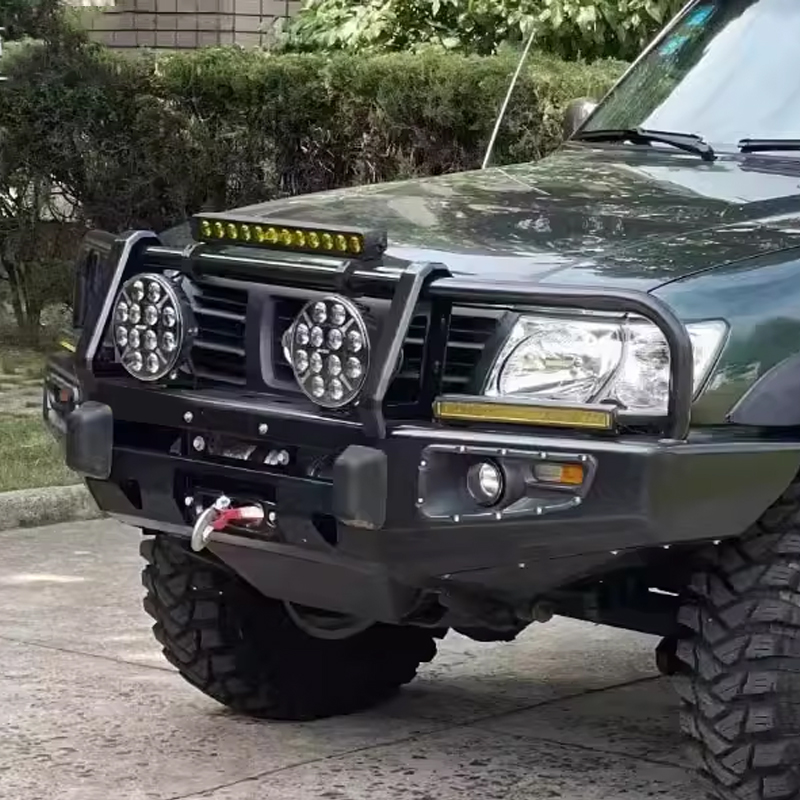
Cost Benefits for Shops & Buyers
- Long-term savings. Spending $800–$2,000 on steel once beats replacing plastic bumpers repeatedly.
- Insurance discounts. Some insurers reduce premiums for vehicles with crash-rated steel bumpers.
- Lower fleet costs. Businesses report 60% fewer bumper replacements after switching to steel.
- Higher sales. Bundling bumpers with winches or lights increases profit per sale by 30–50%.
Steel car bumpers provide unmatched toughness, protection, and adaptability—making them vital upgrades for off-road Toyotas, Fords, Jeeps, and more.