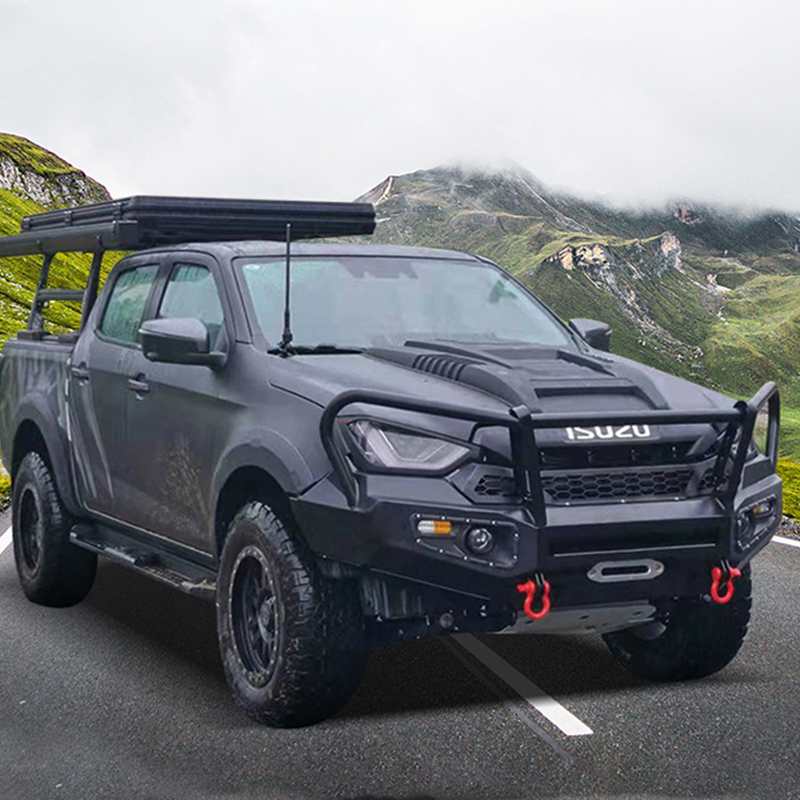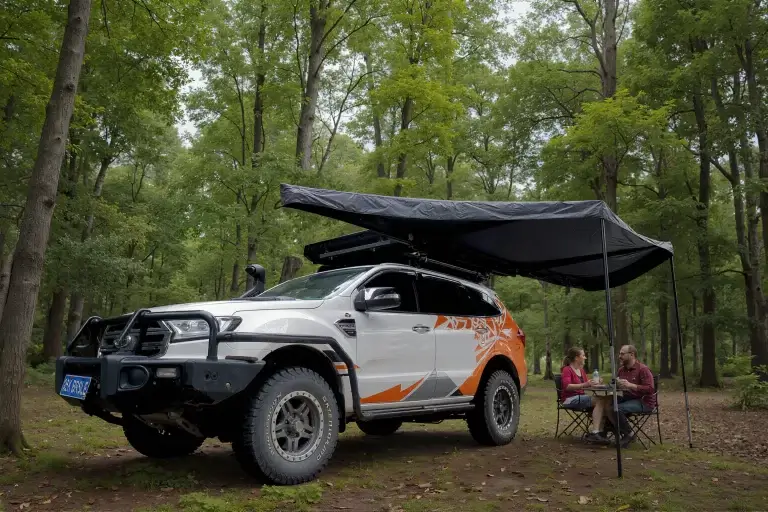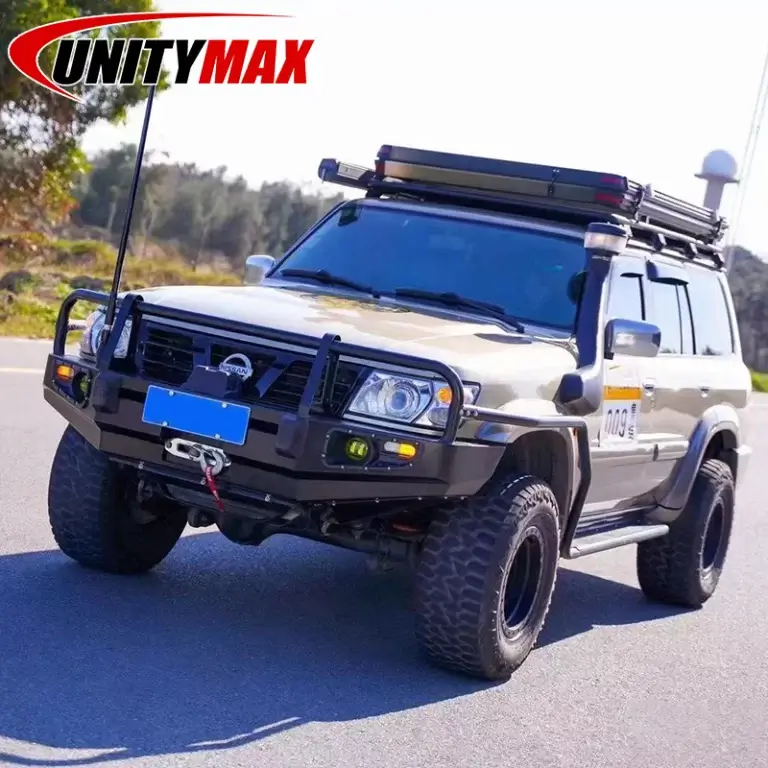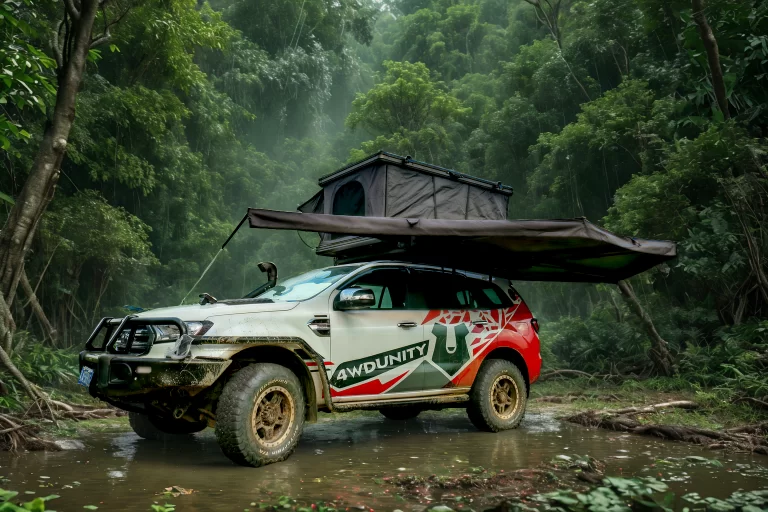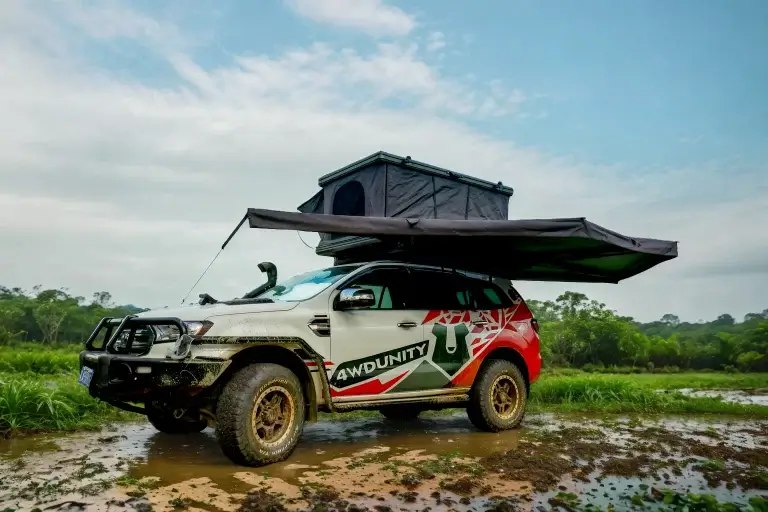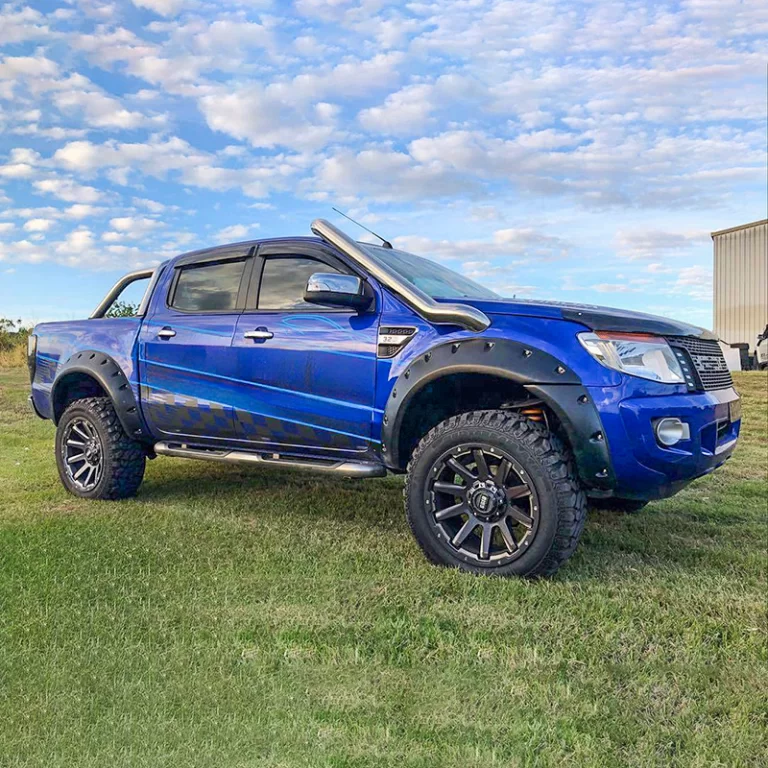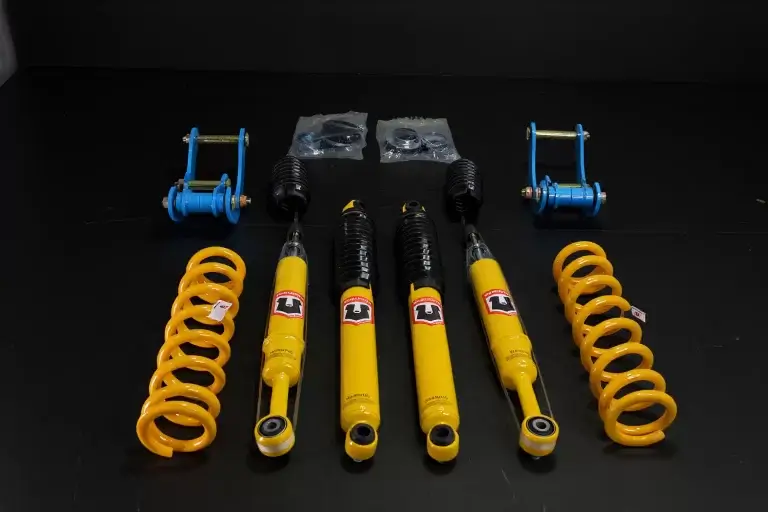





Steel car bumpers are essential upgrades for offroad vehicles. They replace weak factory bumpers with strong, impact-resistant designs. Offroad driving demands durability, and steel delivers with better protection and performance. Businesses selling or installing these bumpers need to understand their technical benefits. This article explains why steel is the best choice for offroad bumpers.
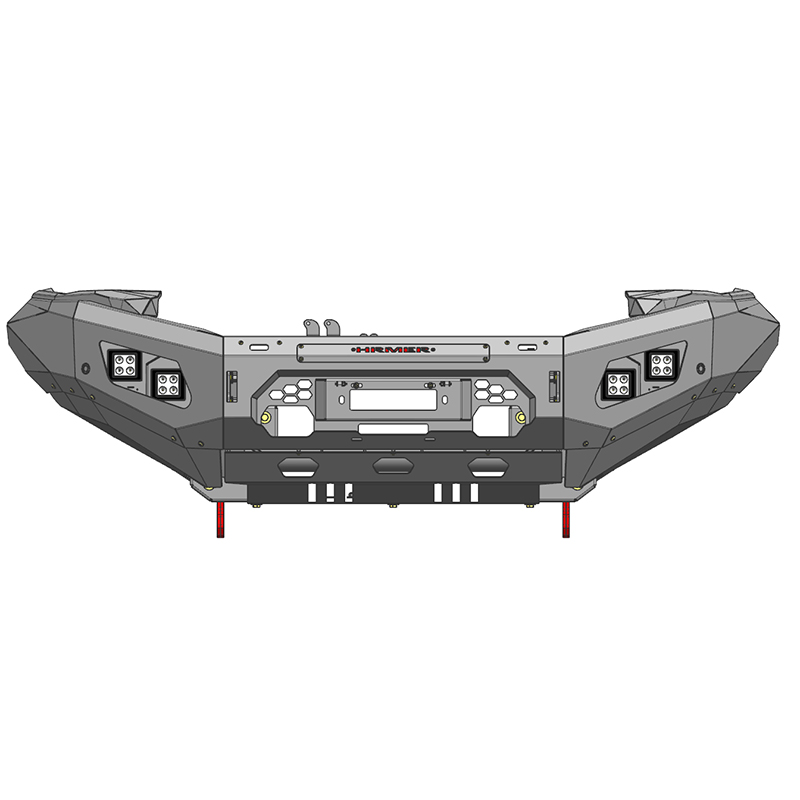
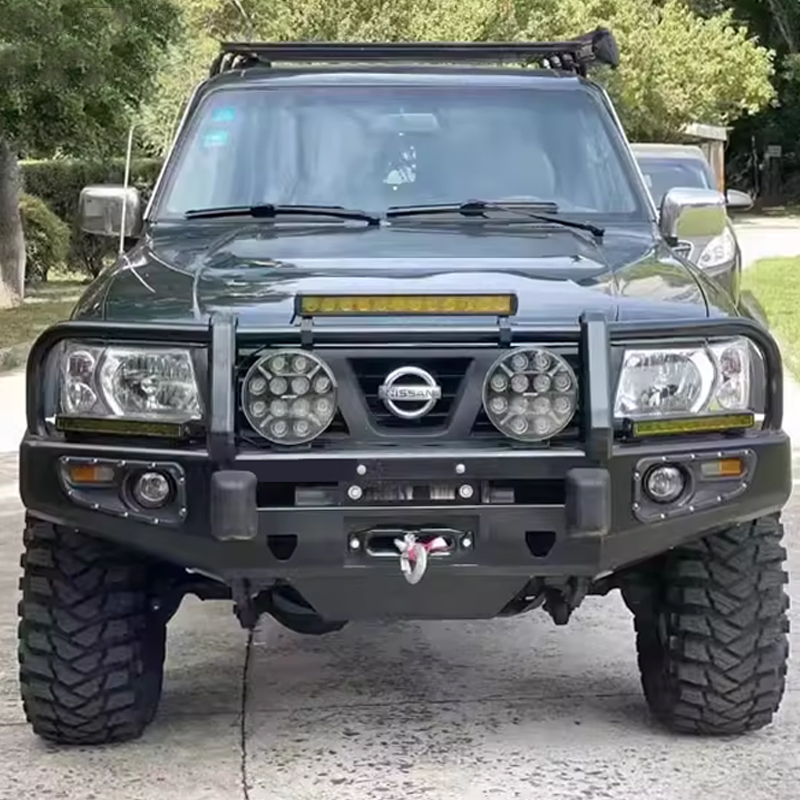
Steel outperforms other materials like aluminum or plastic in tough conditions. Its strength resists bending during collisions with rocks or trees. High-strength steel absorbs impacts gradually, protecting the vehicle’s frame. Common types include DOM tubing and thick plate steel for durability. Powder-coated finishes prevent rust and keep the bumper strong over time. Steel bumpers also support winches and recovery points, making them ideal for offroad use.
Key Benefits of Steel Bumpers
Steel bumpers improve offroad performance in several ways:
- Better approach angles – High-clearance designs prevent scraping on obstacles.
- Strong attachment points – Built-in mounts for lights, recovery gear, and accessories.
- Impact resistance – Handles heavy hits without cracking or bending permanently.
- Frame protection – Reinforced mounts prevent damage during winching or collisions.
- Compliance with safety standards – Crash-tested designs meet regulations for pedestrian protection.
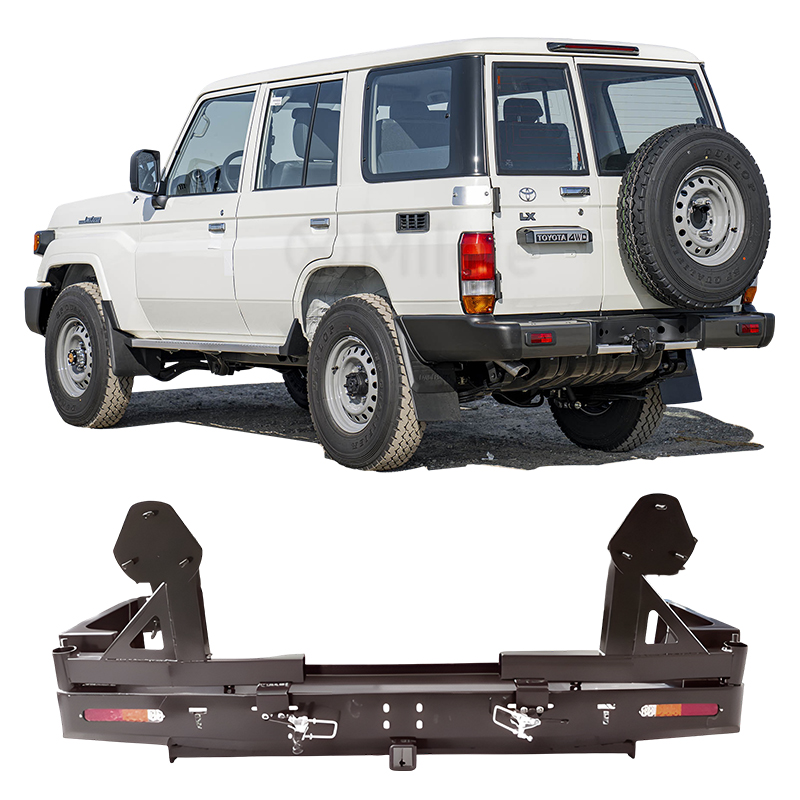
Rear steel bumpers offer similar advantages, including spare tire mounts and hitch receivers.
Steel vs. Aluminum and Plastic
Steel bumpers outperform alternatives:
- Aluminum – Dents permanently and costs more to repair.
- Plastic/Polyurethane – Cracks in extreme cold and lacks strength for recovery points.
- Weight advantage – Steel’s heft adds traction on steep climbs.
- Affordability – Steel bumpers cost 20-40% less than aluminum versions.
Coating options like galvanization protect against rust in wet climates.
Market Demand for Steel Bumpers
Businesses can benefit from the growing offroad market:
- Pre-drilled kits save time for popular models like Jeep Wranglers.
- Upsell opportunities include matching skid plates or rock sliders.
- Commercial fleets prefer steel for rugged work conditions.
- Emerging markets value steel because repairs are easy with basic tools.
Proper installation ensures safety and customer satisfaction:
- Reinforce weak frame points without compromising crumple zones.
- Use high-grade bolts to prevent shearing off-road.
- Electrically isolate bumpers on aluminum-body trucks to avoid corrosion.
Future trends include lighter designs with laser-cut steel and hybrid polymer covers. Steel bumpers remain the top choice for offroad durability and recovery readiness.
Why Steel Car Bumpers Are Essential for Offroad 4×4 Vehicles
What Makes Steel Ideal for Offroad Bumpers?
Steel is the top choice for offroad bumpers because it handles impacts better than aluminum or plastic. High-strength steel (HSS) stays rigid during rock hits or mud collisions. Drawn Over Mandrel (DOM) tubing and 3/16″ plate steel are common—they balance weight and toughness. Powder-coated steel resists rust, keeping bumpers solid for years. Steel also strengthens winch and recovery points, making extractions safer.
Key Functional Benefits for Offroad Vehicles
Steel bumpers improve performance:
- Better approach angles: Stubby designs increase clearance by up to 30%, preventing hangs on obstacles.
- More attachment points: Bolt-on spots for LED lights, D-rings, and jerry cans add utility.
- Stronger rear protection: Steel rear bumpers shield against hits and support tire carriers.
- Load distribution: Reinforced plates prevent frame bends during winching.
Steel bumpers meet safety codes like Australia’s Bullbar Standard (VSB14), keeping pedestrians safe while staying offroad-ready.
Steel vs. Aluminum vs. Plastic: Which Lasts Longer?
- Steel: Can be hammered back after hits; costs 20-40% less than aluminum.
- Aluminum: Dents permanently; needs costly repairs.
- Plastic: Cracks in freezing temps; offers no recovery points.
Steel’s weight (100-150 lbs) helps traction on steep climbs. Rust isn’t an issue with coatings like Line-X or galvanization.
Why Businesses Should Stock Steel Bumpers
Shops and suppliers gain from steel bumper demand:
- Pre-drilled kits save time for Jeep Wrangler or Toyota Hilux mods.
- Upsell potential: Pair with skid plates or rock sliders for full protection.
- Global appeal: Southeast Asia and Africa prefer steel—easy repairs with basic tools.
Installation Tips for Shops
- Use Grade 8 bolts to avoid shearing off-road.
- Reinforce crumple zones without bypassing DOT rules.
- Prevent corrosion: Electrically isolate steel bumpers on aluminum-bodied trucks (e.g., Ford F-150).
Future Trends in Steel Bumpers
- Laser-cut designs reduce weight but keep strength (e.g., Smittybilt XRC).
- Hybrid bumpers mix steel cores with plastic covers for street legality.
- Tech integration: Sensors need precise cutouts in new models (Jeep JL, VW Amarok).
The steel bumper market grows at 6.8% annually, fueled by overlanding and offroad tourism.