


Choosing the right tent affects comfort and safety during camping or overland trips. Businesses selling gear, camping companies organizing trips, and 4×4 explorers all need tents suited to their specific needs. This guide explains tent types, materials, key features, and terrain considerations to help make the best choice.
Understanding Tent Types
Different tents work best for different situations.
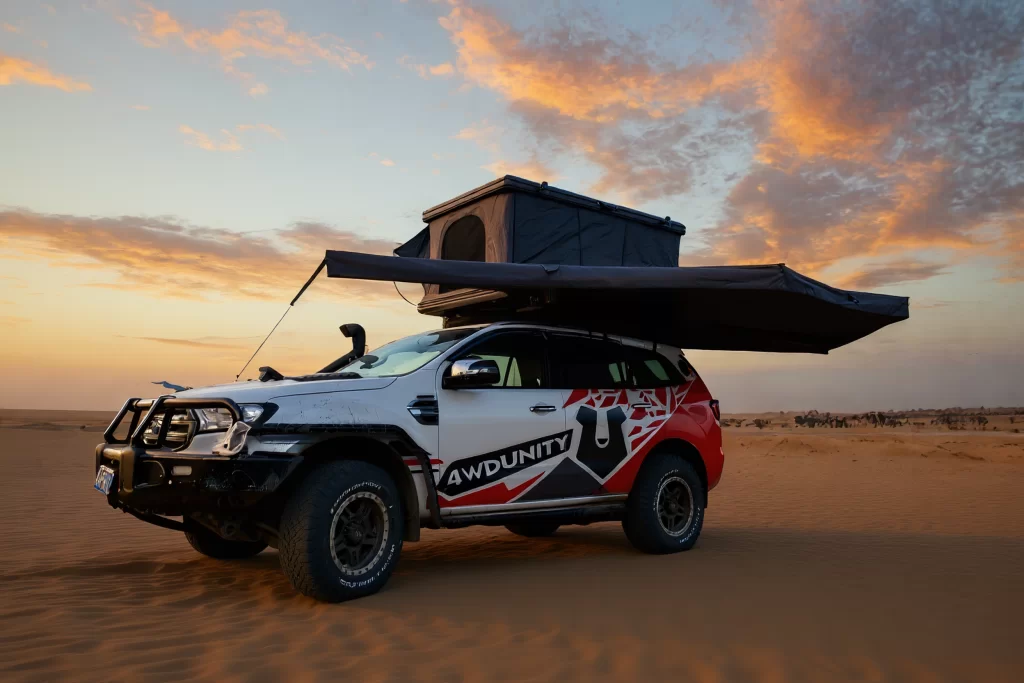
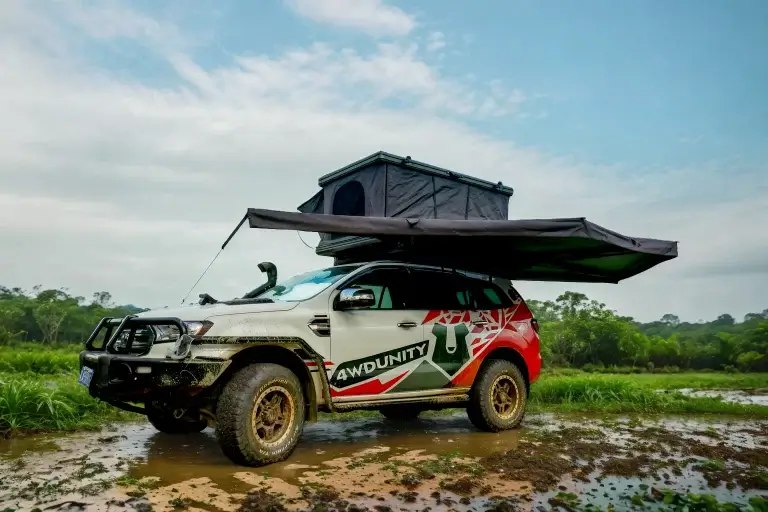
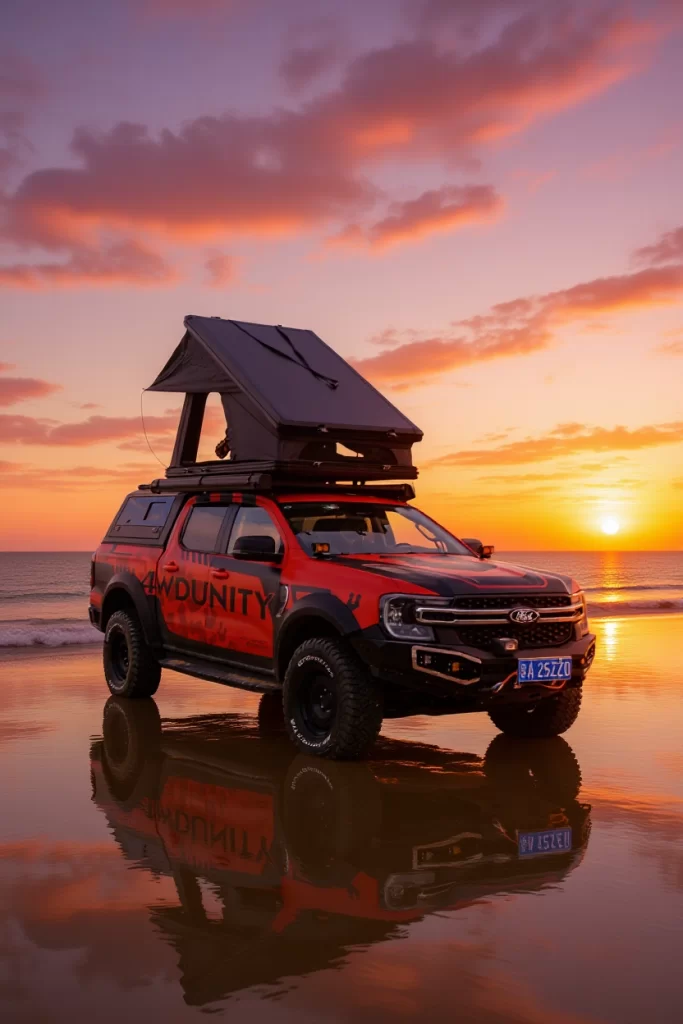
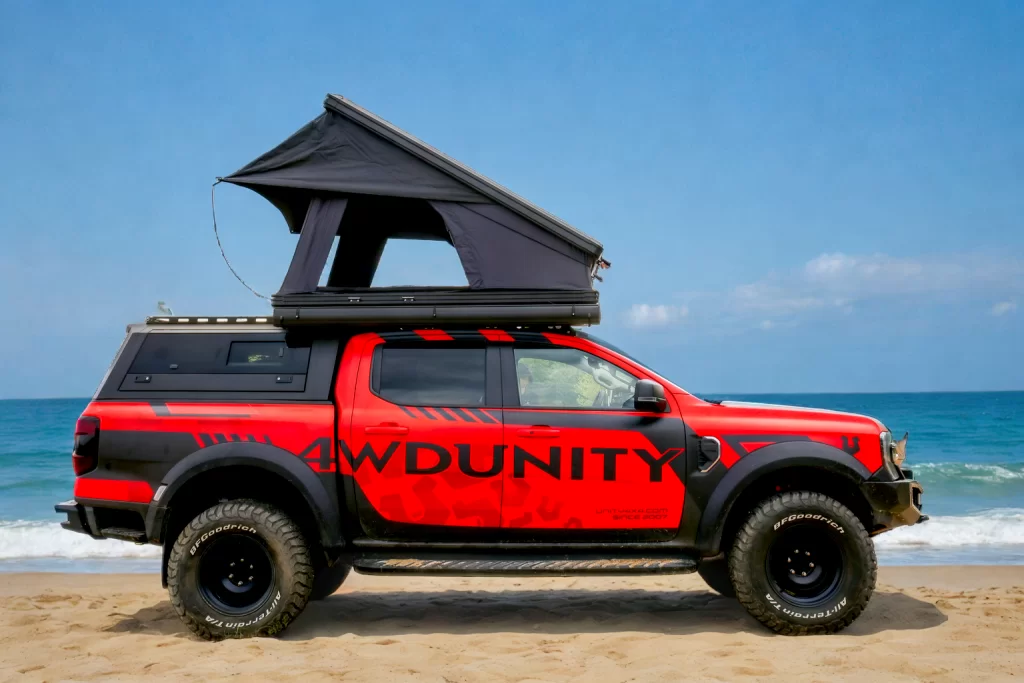
- Roof top tents (RTTs): Mount on vehicles, great for quick setup on rough ground. Hard-shell RTTs are tough but offer less space, while soft-shell options include extra annex rooms.
- Ground tents: Ideal for fixed campsites, family tents often have separate rooms.
- Shower tents: Provide privacy for washing up.
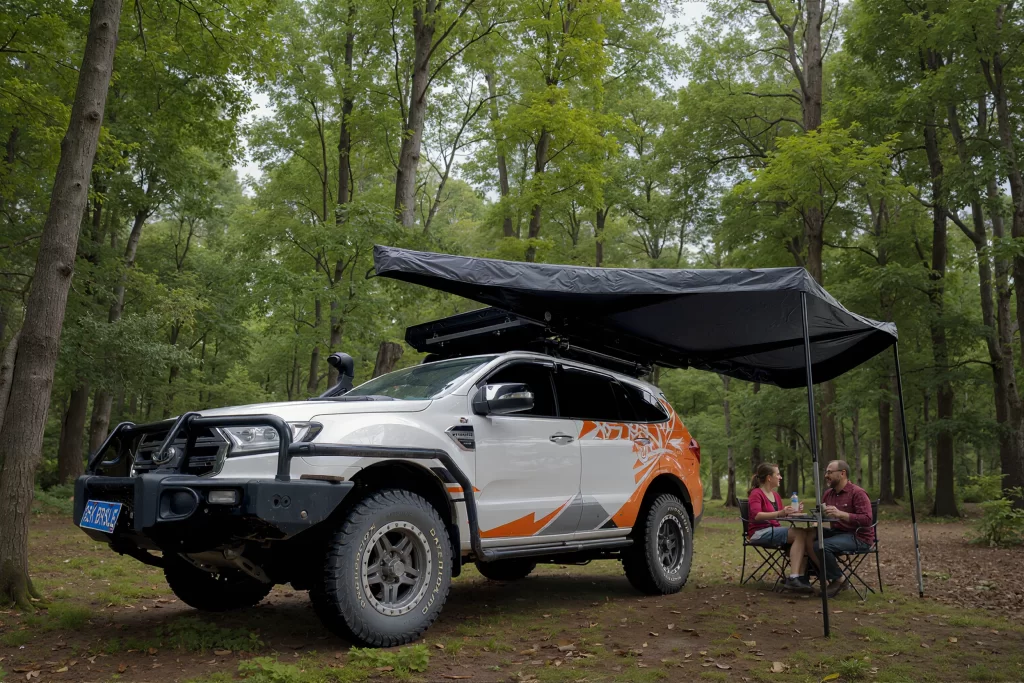
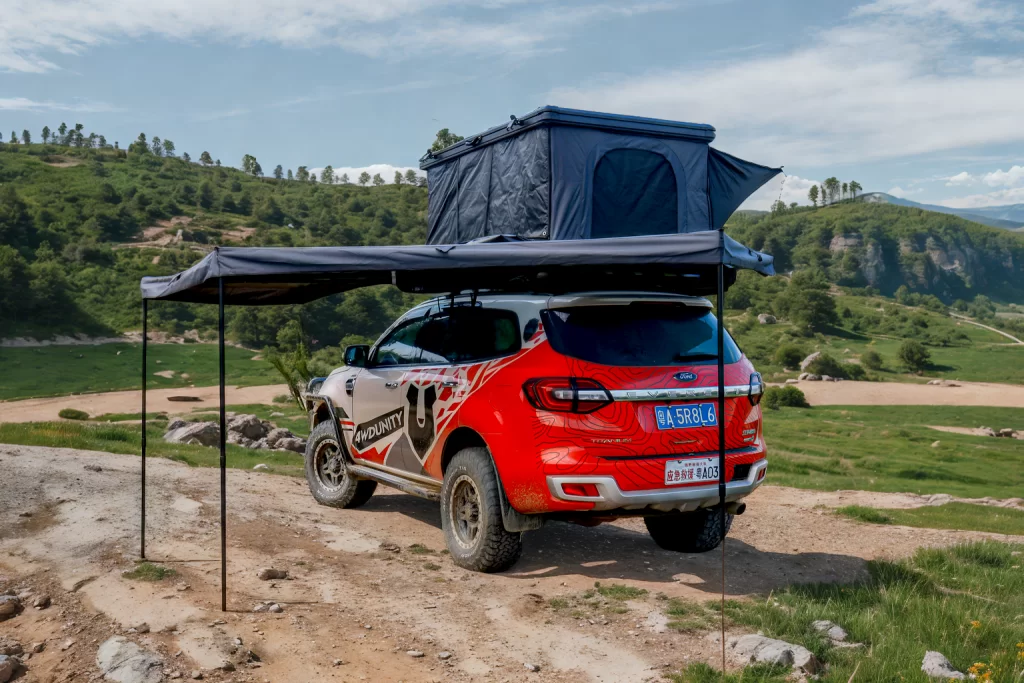
- Awning tents: Attach to vehicles for shade and extra shelter.
- SUV tents: Connect to the back of SUVs for more covered space.
Each type works best for certain camping styles.
Material & Durability Considerations
Tent materials impact lifespan and performance.
- Cotton canvas: Resists condensation and insulates well but is heavy and slow to dry.
- Polyester blends: Lightweight and cheaper, but degrade faster under sunlight.
- Aluminum poles: Sturdy in wind but cost more than fiberglass.
- Waterproof ratings: Look for at least 3000mm hydrostatic head rating.
- Reinforced floors: Prevent leaks and wear.
Strong materials mean longer-lasting tents.
Key Features to Prioritize
The right features improve comfort and usability.
- Hard-shell RTTs: Include mattresses and handle highway speeds better.
- Soft-shell RTTs: Offer more storage space with annexes.
- Blackout bedrooms: Block light for better sleep in bright conditions.
- Quick-pitch designs: Best for travelers needing fast setup.
- Mesh panels: Improve airflow in humid areas.
Pick features based on how and where the tent will be used.
Matching Tents to Terrain & Weather
Environment affects tent choice.
- Rocky/sandy ground: Elevated RTTs avoid ground hazards.
- Snow camping: Four-season tents handle heavy snow loads.
- Windy areas: Geodesic pole structures stay sturdy.
- Hot climates: UV-reflective fabrics and vented rainflies help.
Tents should match weather and landscape challenges.
Vehicle Compatibility & Setup Logistics
Check vehicle specs before buying.
- Roof top tents: Need crossbars rated for at least 165 lbs while driving.
- SUV tents: Must fit tailgate style (fold-down or swing-out).
- Awning tents: Require strong roof rack mounting points.
- Setup time: Hard-shell RTTs deploy fastest (~1 minute).
Measure packed dimensions to ensure storage space fits.
Budget & Maintenance Trade-offs
Spending more upfront can mean less hassle later.
- Hard-shell RTTs: More durable but less expandable ($2,500+).
- Soft-shell RTTs: Cost less ($1,200-$2,000) but wear faster.
- Cotton canvas: Needs yearly waterproofing treatment.
- Polyester tents: Require UV protection sprays.
- Repair kits: Essential for fixing tears and pole breaks.
Balance initial cost with long-term upkeep needs.
How to Choose the Right Tent for Camping or Overlanding
Understanding Tent Types
Roof top tents (RTTs) attach to vehicle roofs—ideal for quick setups on rocky or uneven ground. Hard-shell RTTs fold out faster and handle wind better but offer less sleeping space. Soft-shell RTTs have extra annexes for storage but take longer to set up.
Ground tents work well for base camps. Family tents include separate bedrooms and living areas. Shower tents provide privacy for washing. SUV tents connect to open tailgates, expanding shelter space. Awning tents attach to vehicles for shade and dry outdoor areas.
Material & Durability
Cotton canvas tents resist condensation and stay cooler but are heavier (30-50 lbs) and slow to dry. Polyester tents are lighter (10-20 lbs) and cheaper but degrade faster in UV light. Aluminum poles are stronger in wind; fiberglass bends more but costs less.
For waterproofing, look for tents with:
- 3000mm+ hydrostatic head rating
- Taped or sealed seams
- Reinforced floor fabric (150D+ polyester)
Key Features
- Hard-shell RTTs: Built-in mattresses, aerodynamic shape (~1-min setup).
- Soft-shell RTTs: More interior space, optional annexes (~5-10 min setup).
- Family tents: Blackout bedrooms, room dividers, storage pockets.
- Quick-pitch tents: Pop-up designs deploy in under 1 minute (ideal for solo campers).
- Ventilation: Mesh panels, adjustable rainfly vents reduce condensation.
Terrain & Weather Adaptability
- Rocky/sandy ground: RTTs keep you elevated away from hazards.
- Snow/wind: Four-season tents have reinforced frames and low profiles.
- Rain: Full-coverage rainfly + sealed seams prevent leaks.
- Heat: UV-reflective fabrics and double-layer roofs improve airflow.
Vehicle & Setup Considerations
- Rooftop tents need crossbars rated for 165+ lbs (dynamic weight).
- SUV tents must fit your tailgate type (swing-out or fold-down).
- Awning tents require strong roof rack mounts.
- Setup time varies: Hard-shell RTTs (~1 min), large family tents (15+ min with 2 people).
Budget vs. Maintenance
- Hard-shell RTTs cost $2,500+ but last longer. Soft-shell RTTs range from $1,200-$2,000.
- Budget ground tents (<$300) may need frequent resealing.
- Cotton canvas needs annual waterproofing; polyester requires UV spray treatments.
- Always carry repair kits (patch tape, pole splints).
For businesses, stock tents that match customer needs—lightweight for backpackers, durable for overlanders. For campers, prioritize ease of setup and weather resistance.
References: Industry standards from Hydrostatic Head Ratings, REI Co-op Tent Guide, and Overland Expo reports on RTT durability.