



When picking a tent for camping or overlanding, the right choice affects comfort, safety, and ease. Options include rooftop tents (RTTs), ground tents, family tents, and shower tents—each with different weights, weatherproofing, and setups. Businesses, camping companies, and 4×4 drivers need durable tents that fit their needs. This guide explains tent types, materials, and key features.
Types of Tents Explained
Tents fall into categories based on how they’re used:
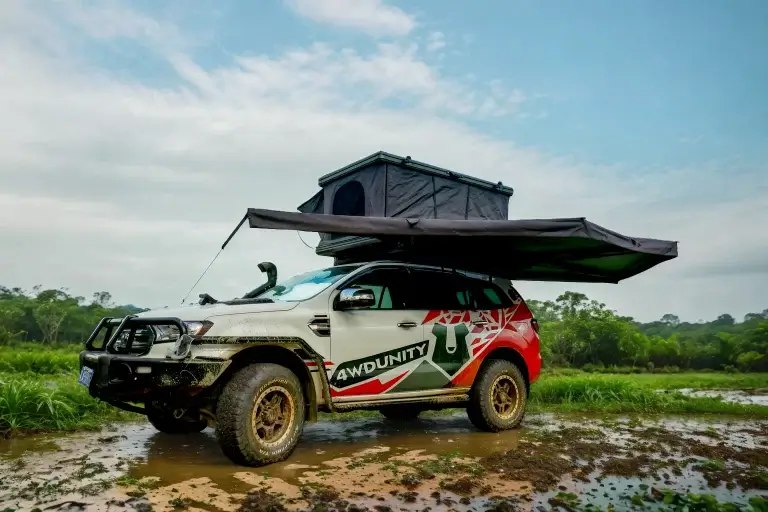
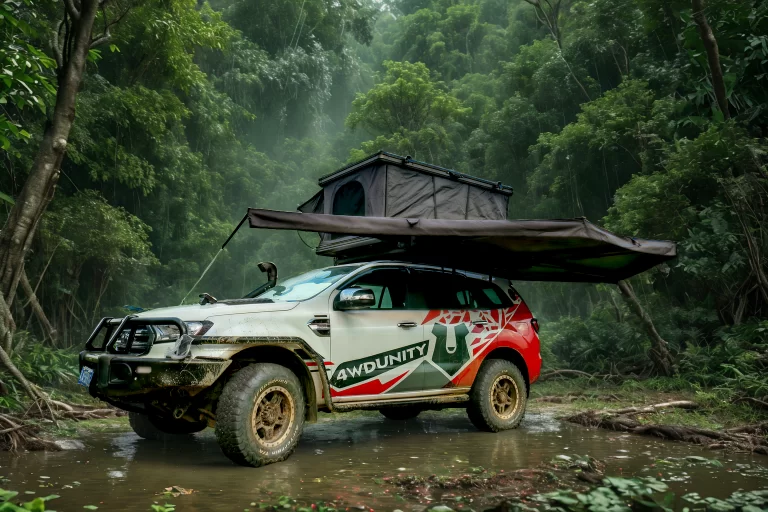
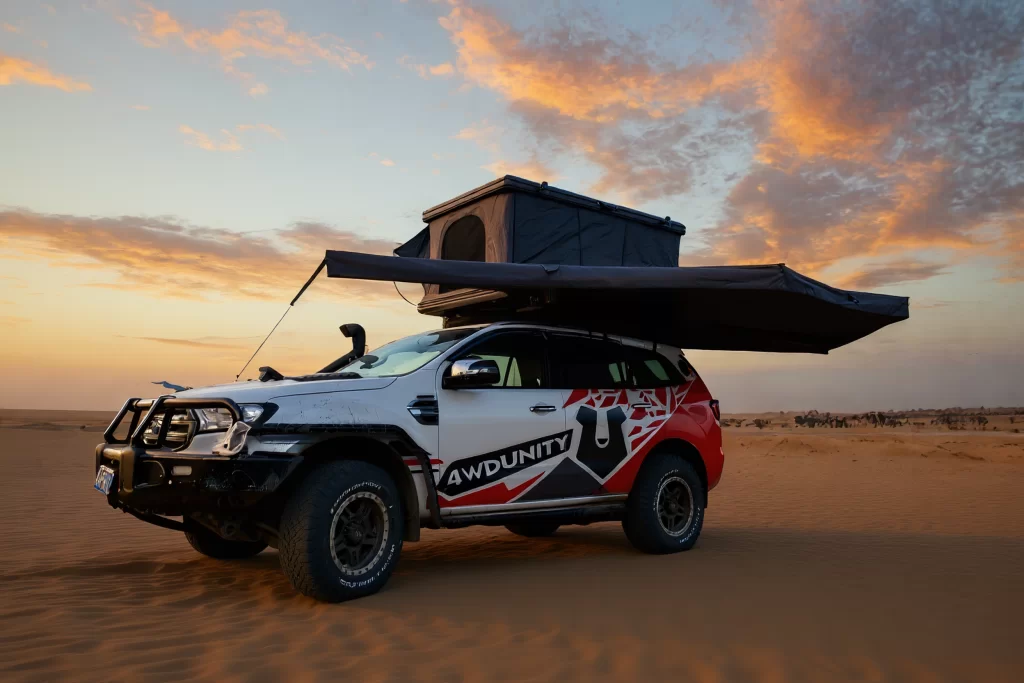
- Rooftop tents (RTTs): Mount on car roofs, lift you off the ground, and deploy fast (hard-shell RTTs open in seconds).
- Ground tents: Include family tents (room dividers) and backpacking tents (lightweight).
- Shower tents: Provide privacy outdoors with waterproof floors.
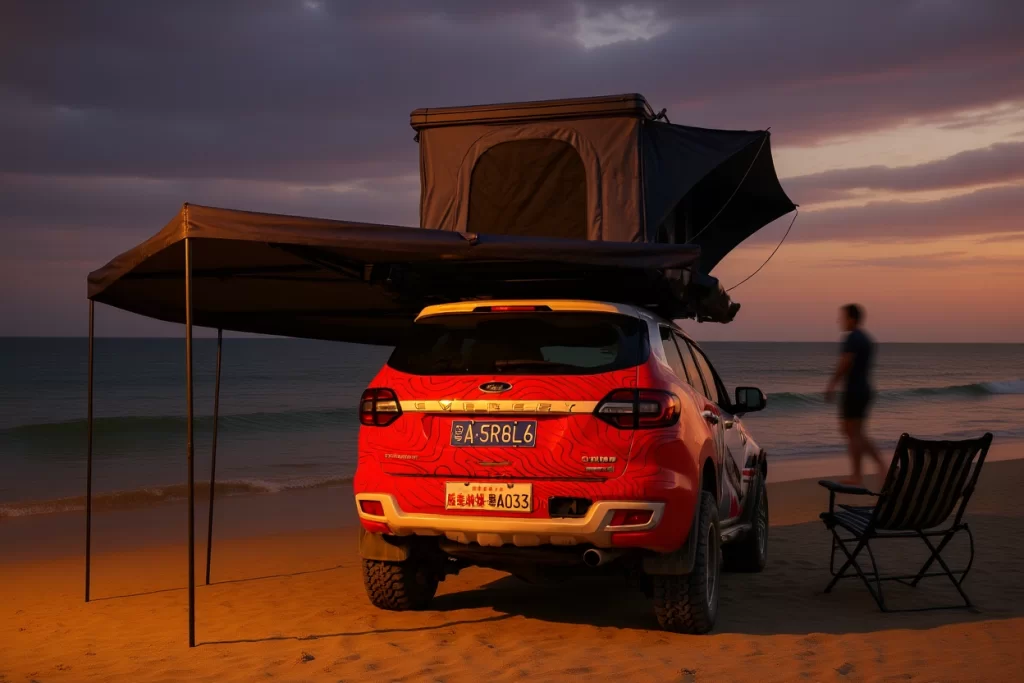
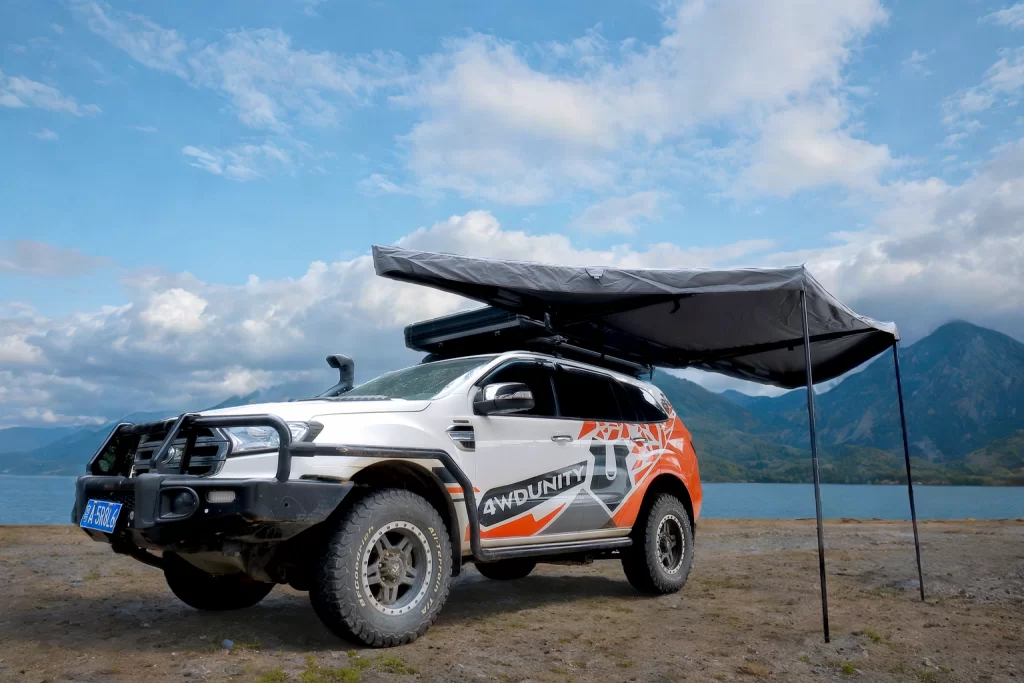
- Awning tents: Attach to vehicles for extra shade.
- SUV tents: Connect to car trunks for more space.
Pros/cons: RTTs save ground space but need roof racks. Ground tents cost less but take longer to set up.
Key Features to Evaluate
Look for these specs when choosing a tent:
- Capacity: Solo, 2-person, or family-sized (with separate rooms).
- Material: Canvas breathes but weighs more; polyester is light and water-resistant.
- Setup time: Instant tents vs. pole-assembly models.
- Weatherproofing: Rainfly coverage, sealed seams, wind ratings.
- Ventilation: Mesh panels vs. solid walls.
- Weight: For RTTs, check roof load limits (static vs. driving weight).
- Storage: Built-in pockets or annex rooms.
- Compatibility: Roof racks must support RTT weight.
Specialized Use Cases
Different trips need different tents:
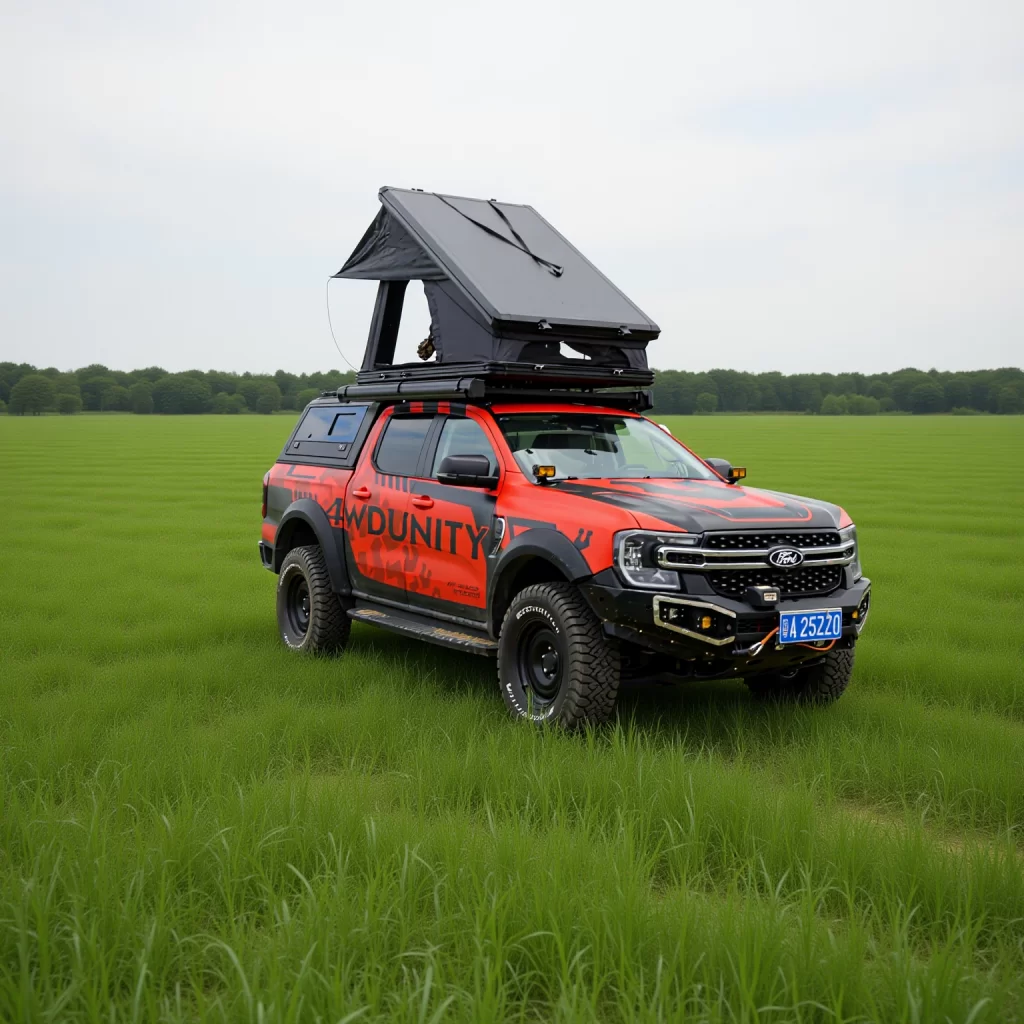
- 4×4 off-roading: Hard-shell RTTs handle vibrations better.
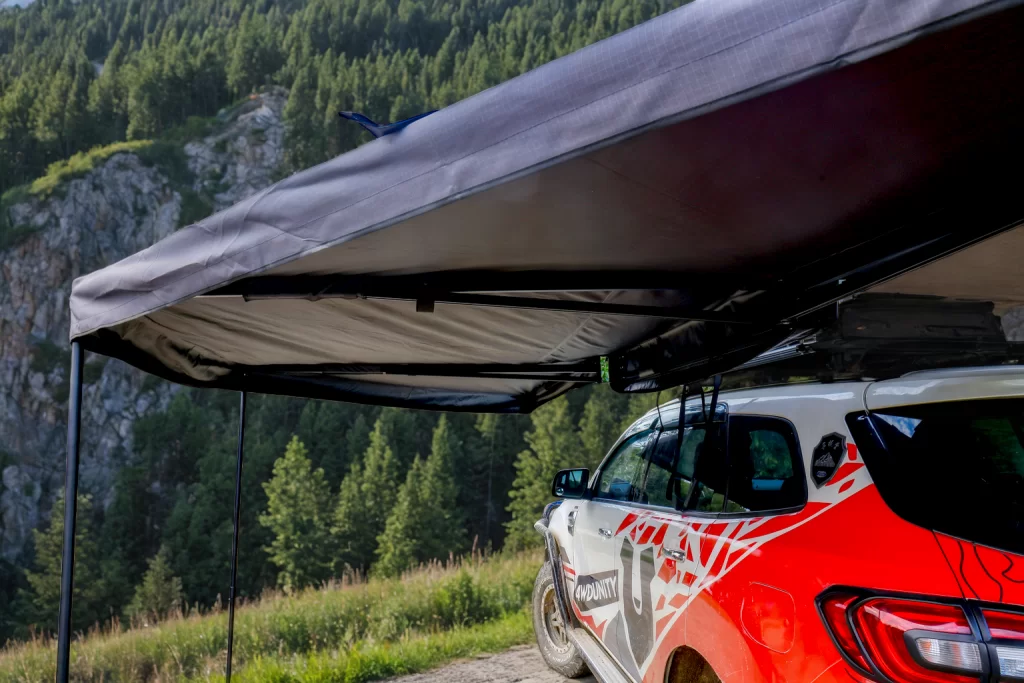
- Overlanding: Awning tents with add-on annexes work well.
- Family camping: Cabin tents with straight walls give more room.
- Shower tents: Need drainage and waterproof floors.
- Winter camping: Insulated canvas or thermal-lined RTTs.
- Urban trips: SUV tents adapt to tight spaces.
Durability & Maintenance
Tents last longer with proper care:
- Polyester resists sun damage; canvas needs waterproofing sprays.
- Hard-shell RTTs require hinge lubrication.
- Store tents dry to avoid mold.
- Repair small tears with patch kits and seal leaks with seam tape.
Budget vs. Value
- Budget tents ($100-$300): Lightweight but may not last.
- Mid-range ($300-$800): Balance durability and features.
- Premium RTTs ($1,500+): Include aluminum shells and fast setups.
- Businesses: Modular tents save costs over time.
Regulations & Safety
Follow these rules for safe tent use:
- RTT weight limits: Usually 165 lbs max while driving (check roof racks).
- Flame-retardant coatings (CPAI-84 standard) prevent fire risks.
- Some campsites ban vehicle-connected tents.
- Use sandbags to anchor awning tents in wind.
Final Recommendations
Choose tents based on your needs:
- 4×4 groups: Hard-shell RTTs with low wind drag.
- Camping companies: Versatile awning or hybrid tents.
- Families: Quick-pitch tents with room dividers.
Always test tents before buying in bulk.
Types of Tents Explained
Rooftop Tents (RTTs)
- Mount on vehicle roofs (SUVs, trucks).
- Types: Hard-shell (deploys in 30 seconds) or soft-shell (lighter, more compact).
- Pros: Elevated sleeping, quick setup, saves ground space.
- Cons: Requires roof racks, higher cost ($1,000+).
Ground Tents
- Family tents: Spacious, multi-room designs for groups.
- Backpacking tents: Lightweight (<5 lbs) for hikers.
- Pros: Affordable ($100-$500), variety of sizes.
- Cons: Slower setup, ground moisture issues.
Specialty Tents
- Shower tents: Waterproof floors, ventilation ($50-$150).
- Awning tents: Attaches to vehicles for shade.
- SUV tents: Connects to car trunks for extra space.
Key Features to Evaluate
- Capacity
- Solo/couple: 2-3 person tents.
- Families: 6+ person tents with “bedrooms” (separate rooms).
- Material
- Canvas: Heavy but breathable (lasts 10+ years).
- Polyester: Lightweight, water-resistant (UV degrades over time).
- Setup Time
- Instant tents: Pop-up designs (1-2 minutes).
- Pole tents: Manual assembly (5-15 minutes).
- Weatherproofing
- Rainfly coverage (full or partial).
- Seam-sealed floors (prevents leaks).
- Weight Limits
- Rooftop tents: Check dynamic (driving) and static (parked) load limits (usually 165+ lbs).
- Ventilation
- Mesh panels reduce condensation.
- Solid walls block wind better.
Specialized Use Cases
- 4×4/Overlanding: Hard-shell rooftop tents (e.g., hard shell roof top tent) handle off-road vibrations.
- Winter Camping: Insulated canvas or 4-season RTTs with thermal liners.
- Business Use: Fleet-friendly tents (modular designs, easy repairs).
Durability & Maintenance
- Canvas Tents: Require yearly waterproofing (DWR treatment).
- Polyester Tents: Avoid extended sun exposure (UV weakens fabric).
- Zippers/Stitching: Heavy-duty for rooftop tents (wind resistance).
- Storage: Dry completely before packing to prevent mold.
Budget vs. Value
- Budget ($100-$300): Basic polyester tents (may lack UV protection).
- Mid-Range ($300-$800): Balanced features (e.g., family tents).
- Premium ($1,500+): Aluminum hard-shell RTTs, lifetime warranties.
Regulations & Safety
- Rooftop Tents: DOT-compliant for highway use. Check roof rack limits.
- Fire Safety: CPAI-84 flame-retardant coating.
- Campsite Rules: Some parks ban vehicle-attached tents.
Final Recommendations
- 4×4 Users: Hard-shell RTTs (low wind resistance, durable).
- Camping Companies: Hybrid awning tents (versatile for groups).
- Families: Cabin-style tents (high ceilings, quick pitch).
- Always test tents before bulk purchases.
(Reference: Industry weight standards for rooftop tents, CPAI-84 fire safety certification, UV degradation rates for polyester.)