


Choosing the right tent is critical for comfort and safety during camping trips. Whether you’re a business supplying gear or a 4×4 enthusiast, tents vary widely by type, size, and durability. This guide explains rooftop tents, family tents, shower tents, and more, focusing on key factors like setup speed, weather resistance, and terrain suitability. Highlight: rooftop tents are gaining popularity for off-roading due to quick deployment and elevated sleeping.
Types of Camping Tents Explained
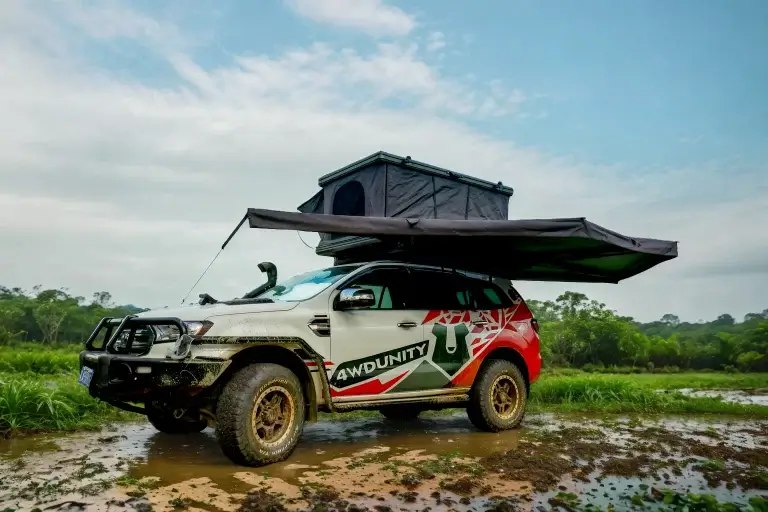
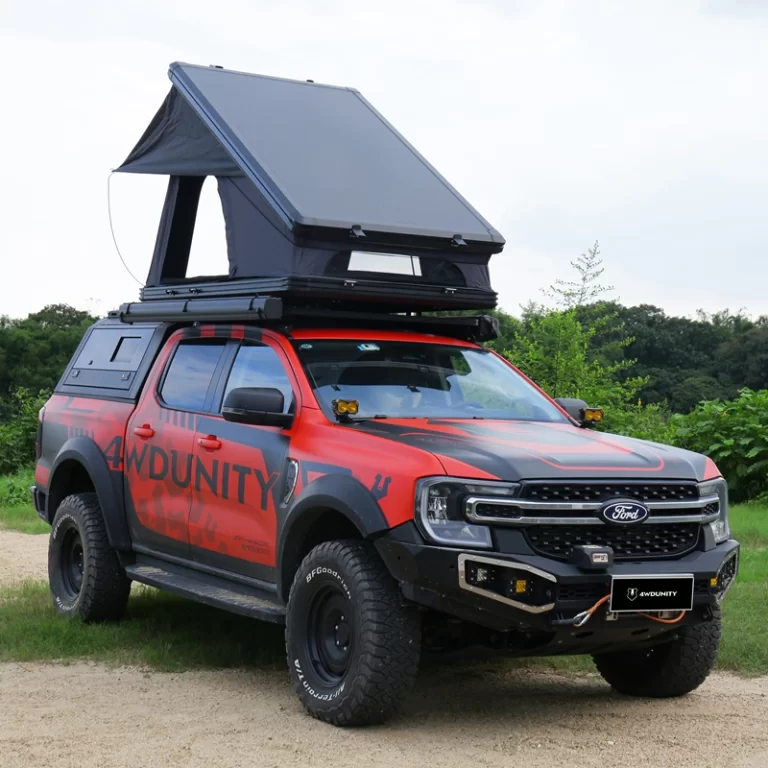
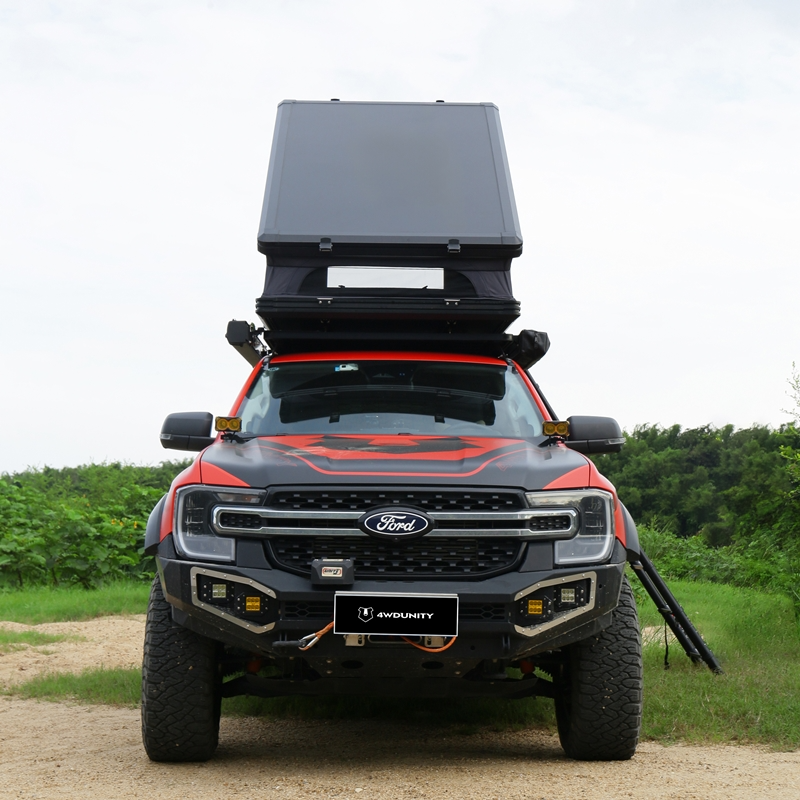
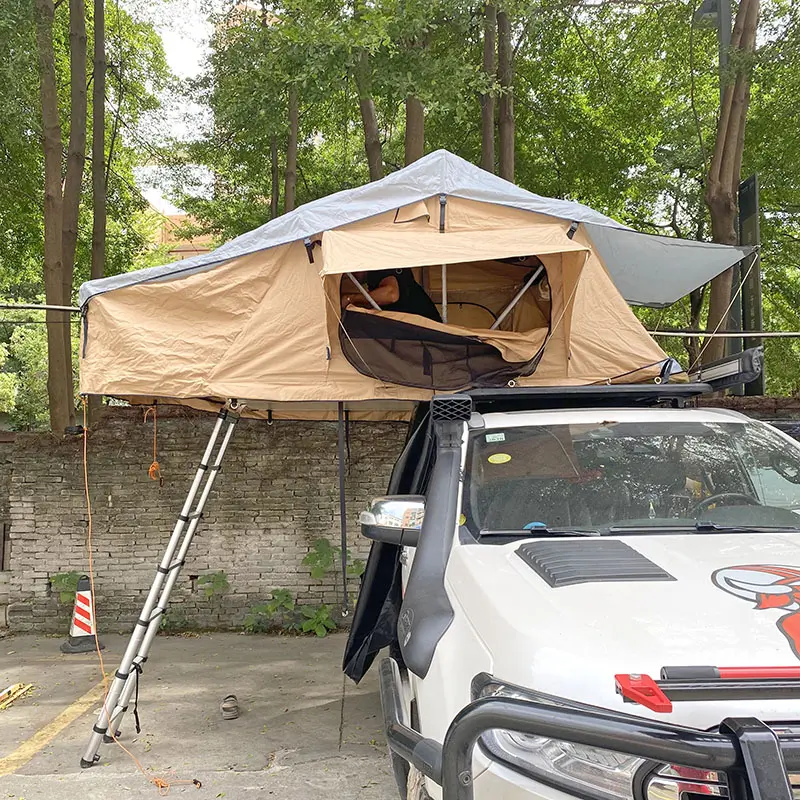
- Rooftop Tents (RTTs): Mount on vehicle roofs, keeping you off uneven ground. Hard-shell models open in seconds; soft-shell uses fabric and poles.
- Shower Tents: Lightweight with waterproof floors for privacy. Best for hygiene stops during long trips.
- Family Tents: Spacious with room dividers, high ceilings, and multiple doors for groups.
- Car Tents: Attach to SUVs or trucks, extending living space without separate setup.
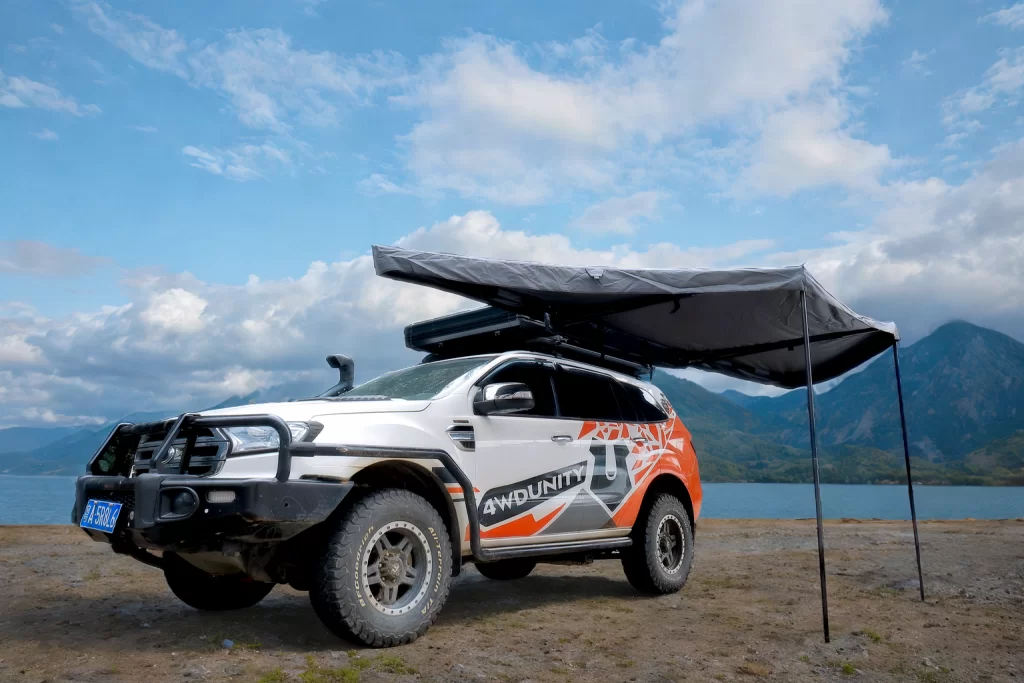
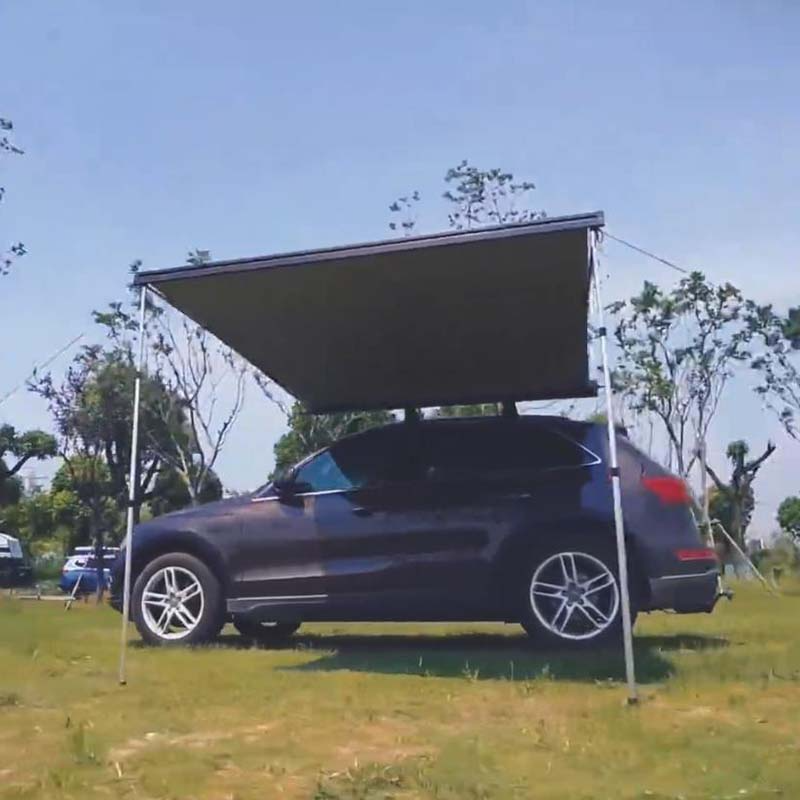
- Awning Tents: Provide shade without walls, ideal for base camps or quick shelter.
Each type suits different needs—RTTs for 4×4 adventures, shower tents for road trips, family tents for comfort.
How to Pick the Right Tent Size
- Sleeping capacity:
- Solo: 1-2 person tents (minimal space).
- Couples/friends: 3-4 person tents (extra room for gear).
- Families: 6+ person tents with dividers.
- Floor space: At least 20-30 sq ft per person.
- Height: Look for 6+ feet peak height if standing matters.
- Rooftop tents: Check vehicle roof weight limits. Standard sizes:
- Small (120x200cm): Fits one adult.
- Large (140x200cm): Fits two adults comfortably.
Tent Materials and Durability Guide
- Polyester: Lightweight, UV-resistant, but less breathable. Budget-friendly.
- Canvas: Heavy-duty, insulates well, but bulky. Ideal for cold weather.
- Mesh panels: Improve airflow, reduce condensation.
- Waterproof ratings: Look for hydrostatic head ratings above 3000mm for heavy rain.
- Zippers/poles: YKK zippers resist jamming. Aluminum poles are stronger than fiberglass.
Hard-shell RTTs use aluminum or ABS plastic for wind resistance; soft-shell relies on thick fabric.
Best Tents for Weather and Terrain
- Desert camping: Dustproof floors, reflective coatings to bounce heat.
- Rainy climates: Full rainfly coverage, taped seams, and bathtub-style floors.
- Snow/winter: Reinforced poles, snow skirts, and 4-season ratings.
- Rooftop tents: Avoid ground moisture but need sturdy straps for high winds.
Shower tents require weighted bases in sand and proper drainage to prevent flooding.
Tent Setup Speed and Portability
- Instant tents: Pop-up designs (1-2 minute setup) but less durable.
- Pole tents: Traditional assembly (5-10 minutes), more stable in wind.
- Rooftop tents: Hard-shell opens in under a minute; soft-shell takes 5-10 minutes.
- Weight: Backpacking tents (<5 lbs); family tents (20-30+ lbs).
- Packed size: Rooftop tents fold to 40×56″; car tents need vehicle attachment.
Must-Have Tent Features
- Built-in lights or power ports for convenience.
- RTT upgrades: High-density mattresses, annex rooms for extra space.
- Shower tents: Pockets for toiletries, solar-heated water bags.
- Gear lofts, magnetic doors, or reflective lines for safety.
- Awning tents: Detachable walls or mosquito nets for versatility.
Budget Tips for Buying Tents
- Budget tents ($50-$200): Basic materials, shorter lifespan.
- Mid-range ($200-$500): Better weatherproofing, more features.
- Premium ($500+): Heavy-duty fabrics, extended warranties.
- Rooftop tents: Start at $1,000 (soft-shell), up to $3,500+ (hard-shell).
- Warranties: Look for lifetime coverage on premium brands.
For businesses, leasing options may reduce upfront costs.
How to Choose the Right Tent for Your Needs
Understanding Tent Types
Tents come in many forms, each designed for specific uses:
- Rooftop Tents (RTTs): Mount to your vehicle’s roof, keeping you off the ground. Hard-shell models (like 30-second tents) deploy fast, while soft-shells are lighter but slower to set up.
- Shower Tents: Small, portable shelters with waterproof floors and vents. Useful for hygiene during camping trips.
- Family Tents: Spacious with multiple rooms (some even have bedrooms) and high ceilings (6+ feet) for comfort.
- Car Tents: Attach to SUVs or trucks, extending living space. Awning tents offer shade without full walls.
Capacity and Space
Pick a tent based on how many people are sleeping inside:
- Solo/duo campers: 1-2 person tents (e.g., 140x200cm rooftop tents).
- Families: 6+ person tents with dividers for privacy.
Check dimensions: - Floor space: ~25 sq. ft. per person.
- Vehicle limits: RTTs need strong roof racks (check weight capacity).
Material and Durability
Tent materials affect performance:
- Polyester: Lightweight, UV-resistant, but less breathable.
- Canvas: Heavy but durable, great insulation.
- Hard-shell RTTs: Made from ABS plastic/aluminum for wind resistance.
Look for: - Hydrostatic head rating (3000mm+ = good rain protection).
- YKK zippers and reinforced seams.
Terrain and Weather Suitability
Match your tent to the environment:
- Deserts: Dustproof flooring, reflective coatings.
- Rainy areas: Full rainfly coverage, sealed seams.
- Snow: Reinforced poles and snow skirts (-20°F rating).
Rooftop tents avoid ground moisture but need strong straps in wind.
Setup and Portability
Some tents are easier to pitch than others:
- Instant tents: Pop-up designs (good for beginners).
- RTTs: Hard-shell setups take under a minute.
Weight matters: - Backpacking tents: <5 lbs.
- Rooftop tents: Folded size ~40×56″.
Extra Features
Small upgrades improve comfort:
- Built-in LED lights or solar ports.
- RTT annex rooms for extra space.
- Shower tents with pockets for toiletries.

Budget
Prices vary widely:
- Camping tents: $50-$200 (budget) to $300+ (premium).
- RTTs: $1,000 (soft-shell) to $3,500+ (hard-shell).
Check warranties—lifetime coverage is best for frequent use.
Choosing wisely ensures safety, comfort, and long-term value. Test tents before buying when possible.