








What Is a Car Snorkel ?
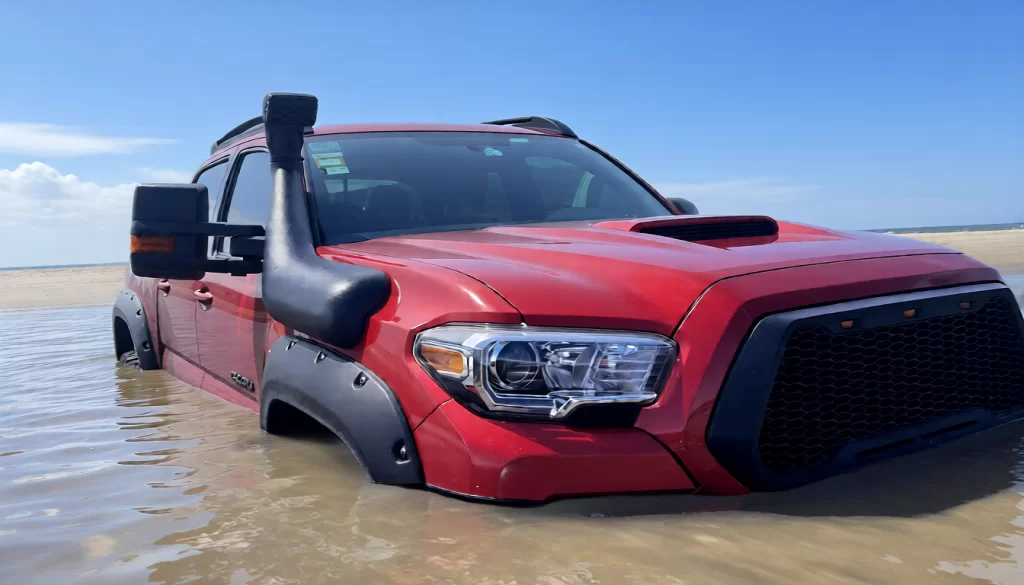
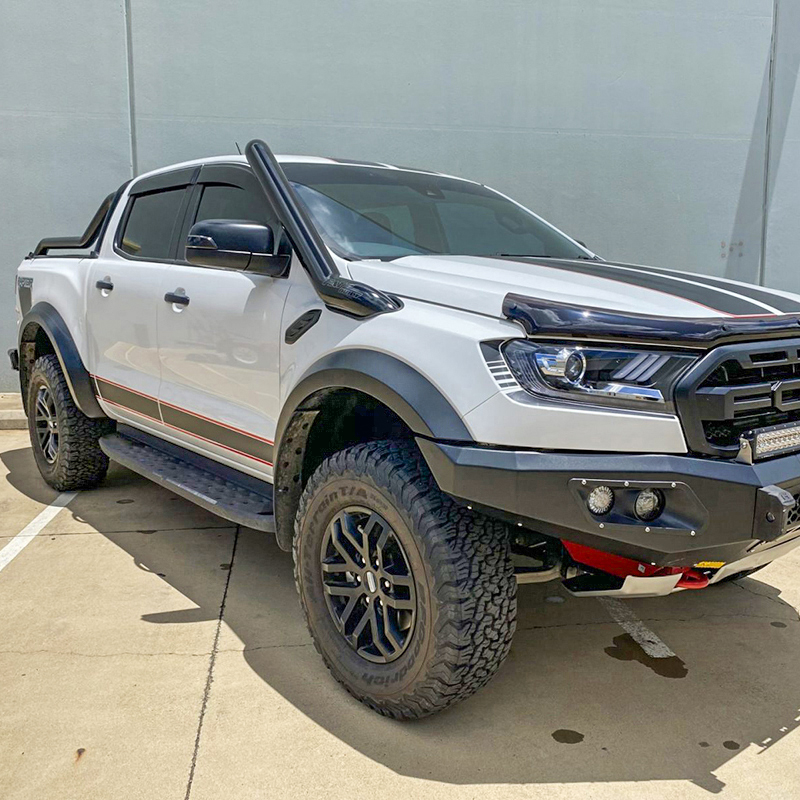
A car snorkel is a tube that raises the air intake point of a vehicle. It pulls in cleaner, cooler air from above the dust and water. Here’s how it works:
- Intake head – Catches air (commonly ram-style or cyclone design).
- Tubing – Made from strong, UV-resistant plastic.
- Airbox connection – Seals tightly to the engine’s air intake.
Snorkels filter out dust, sand, and water better than standard air intakes. Proper installation ensures no leaks, keeping the engine safe. In Australia, snorkels must meet certain standards for off-road use.

How Snorkels Improve Engine Performance
Snorkels help engines run better in harsh conditions:
- Cooler air – Higher intake means denser air for better combustion.
- Less dust – Pre-filters stop abrasive particles from damaging the engine.
- Safe water crossings – Prevents water from entering and locking the engine.
- Better fuel efficiency – Cleaner airflow can save fuel under heavy load.
Tests show snorkels keep engines running smoothly in dusty outback trails.
Snorkel Head Types and Best Uses
Not all snorkel heads work the same. Choose based on driving conditions:
- Ram heads – Good for speed but may collect debris.
- Cyclone heads – Better at separating dust from air.
- Forward-facing – Best for dusty trails.
- Downward-facing – Helps in heavy rain.
Some designs include extra filters for areas with bushfire smoke. Maintenance matters—some heads are removable for easy cleaning.
Installing a Snorkel Correctly
Fitting a snorkel depends on the vehicle:
- Vehicle-specific kits ensure proper fitment.
- Drilling may be needed in some models.
- Sealing requires strong tape or silicone to stop leaks.
- ECU adjustments might be needed for modern engines.
Mistakes like bad angles or weak seals can hurt performance.
Legal and Warranty Tips for Snorkels
Australian rules for snorkels:
- Must not block the driver’s view.
- Insurance may need proof of proper installation.
- Some manufacturers void warranties if installed wrong.
- Certain states require extra inspections.
Use certified installers to avoid legal issues.
Keeping Snorkels in Good Condition
Regular checks keep snorkels working well:
- Clean dust buildup monthly in dry areas.
- Look for cracks from sun damage or rough roads.
- Test seals with water spray after installation.
- Listen for odd engine sounds—could mean leaks.
Replacement parts like gaskets and clamps are easy to find.
Why Businesses Should Sell Quality Snorkels
Snorkels are a smart product for 4×4 shops:
- High demand from off-road and overlanding buyers.
- Good profit margins, especially with bundled deals.
- Customers trust shops that teach proper use.
- Durable snorkels bring repeat business.
Premium snorkels sell as essential upgrades, not just looks.
How Car Snorkels Improve 4X4 Performance in Australian Conditions
Understanding Car Snorkels
A car snorkel is a raised air intake system designed for off-road vehicles. It moves the air intake point from the engine bay to roof level to protect against dust, water, and debris. Key components include:
- Intake Head – Ram-style for high airflow or cyclone for better dust separation.
- Tubing – Made from UV-resistant polyethylene for durability in harsh sunlight.
- Sealed Connection – Prevents hydrolock (engine damage from water ingestion).
Australian Standards (AS/NZS 4878.1) recommend snorkels that don’t obstruct driver visibility or pedestrian safety.

How Snorkels Enhance Engine Performance
- Cooler Air Intake – Elevated snorkels draw in cooler, denser air, improving combustion efficiency—critical in Australia’s hot Outback.
- Dust Protection – Cyclone heads filter up to 90% of dust particles before they reach the engine (based on independent 4WD tests).
- Water Resistance – Properly installed snorkels allow safe wading depths of up to 1.5m, depending on vehicle design.
- Fuel Efficiency – Cleaner airflow reduces engine strain, improving mileage under heavy load.
Real-world tests from Australian off-roaders show RPM stability even in extreme dust.
Types of Snorkel Heads and Their Uses
| Type | Best For | Limitations |
|---|---|---|
| Ram Head | High-speed airflow | Collects debris |
| Cyclone Head | Dusty trails | Slightly reduces airflow |
| Downward-Facing | Heavy rain | Less efficient in dust |
Australian-compatible snorkel heads often feature integrated pre-filters for bushfire-prone zones. Regular cleaning prevents clogging.
Installation Tips for Retailers
- Vehicle-Specific Kits – Ensure compatibility with factory airbox placement.
- Sealing Methods – Use butyl tape or silicone to prevent leaks.
- ECU Considerations – Some modern 4X4s need recalibration post-installation.
- Common Mistakes – Poor angling restricts airflow; weak mounts crack during vibration.
ADR-compliant snorkels avoid insurance issues—recommend certified installers to customers.
Snorkel Maintenance Checks
- Monthly Cleaning – Inspect for dust buildup in desert conditions.
- Seal Testing – Spray mist post-installation to check for leaks.
- Troubleshooting – Hissing sounds indicate air leaks; rattling suggests loose fittings.
Stocking replacement parts (gaskets, clamps) boosts after-sales revenue.
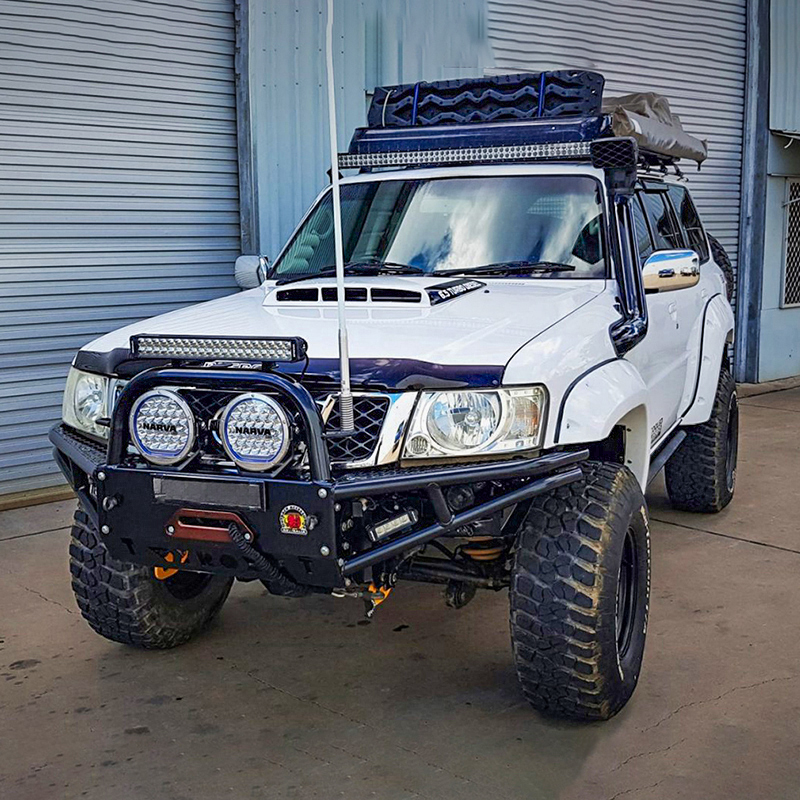
Why Businesses Should Stock Premium Snorkels
- Growing Demand – Overlanding popularity surged by 35% in Australia since 2020 (4WD Industry Association).
- Higher Margins – Bundling with air filters increases average order value.
- Customer Trust – Workshops and guides reduce installation hesitations.
Retailers report 20% more repeat business from off-road enthusiasts after adding snorkels. Market them as engine protectors—not just accessories.