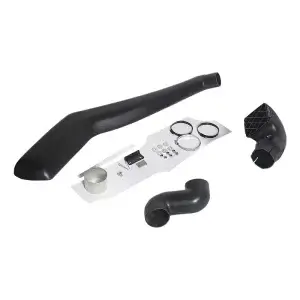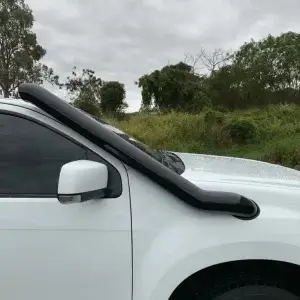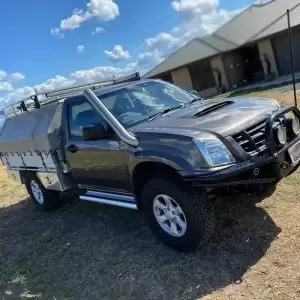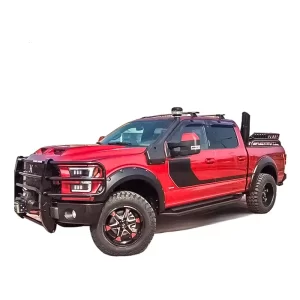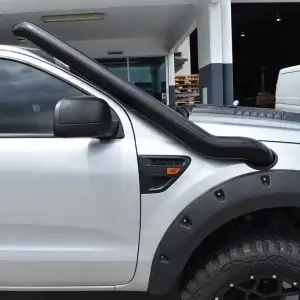








A car snorkel is an elevated air intake system for off-road and 4×4 vehicles. It keeps water, dust, and debris out of the engine while improving airflow. In Australia, snorkels are essential for river crossings and dusty trails. B2B buyers, like 4×4 accessory shops, need to understand how they work to advise customers. Snorkels come in different styles (pre-cleaners, safari designs) for various environments.
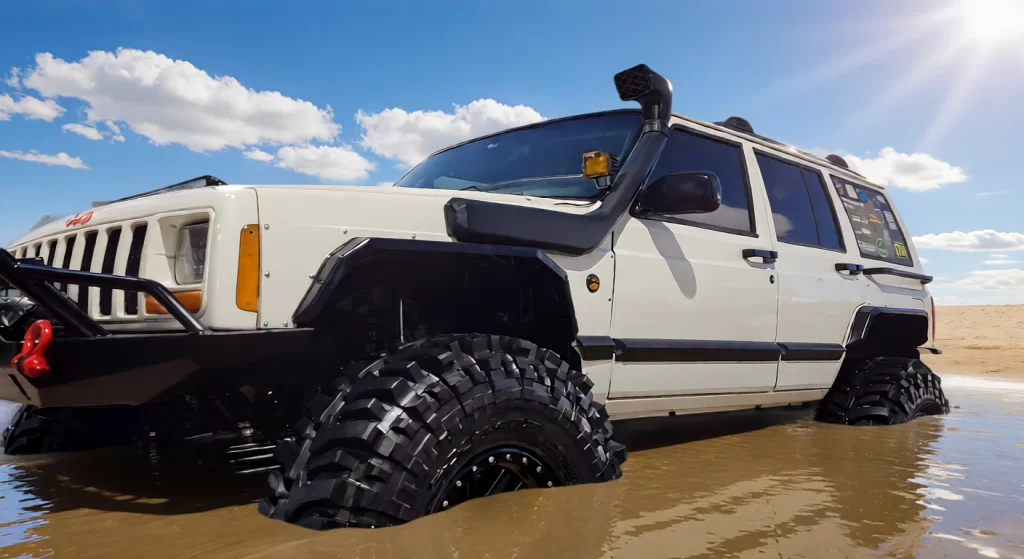
How a Snorkel Protects the Engine From Water
Snorkels move the air intake from low points (fender/grille) to roof level. This reduces hydro-lock risk in deep water—standard intakes fail around 30cm, but snorkels raise this to 1m or more. Sealed tubing with silicone couplings prevents leaks. In Australia, creek crossings often require this protection. Snorkels offer splash resistance or full submersion capability (with extra waterproofing). Some meet ISO 19447 standards for water ingress testing.
Reducing Dust and Debris Damage
Snorkels pull cleaner air from higher up, avoiding ground-level dust clouds. Cyclonic pre-cleaner heads (like Donaldson tops) spin dust away before air enters the filter. Without snorkels, filters clog 3x faster in deserts or mining areas. Off-roaders in the Outback rely on snorkels to cut maintenance downtime.
Performance Benefits You Might Not Expect
Snorkels do more than off-roading—they improve airflow efficiency. At highway speeds, ram-air effects boost intake pressure by 5-10%, helping turbo engines. Roof-level air is cooler (10–15°C lower than engine bay temps). In dry climates, snorkels can improve fuel efficiency by 2–4% and support smoother throttle response.
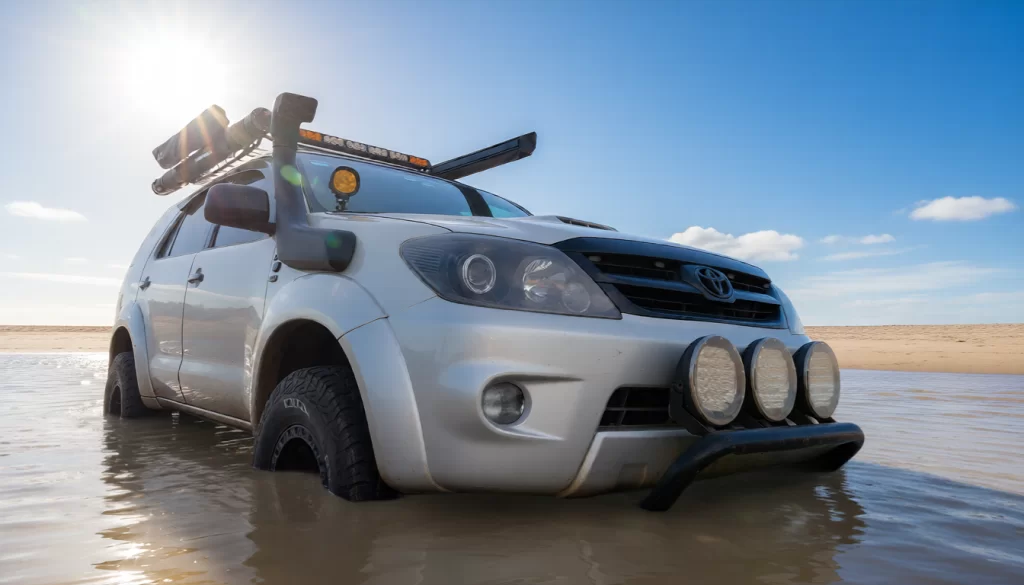
Snorkel Types and Materials
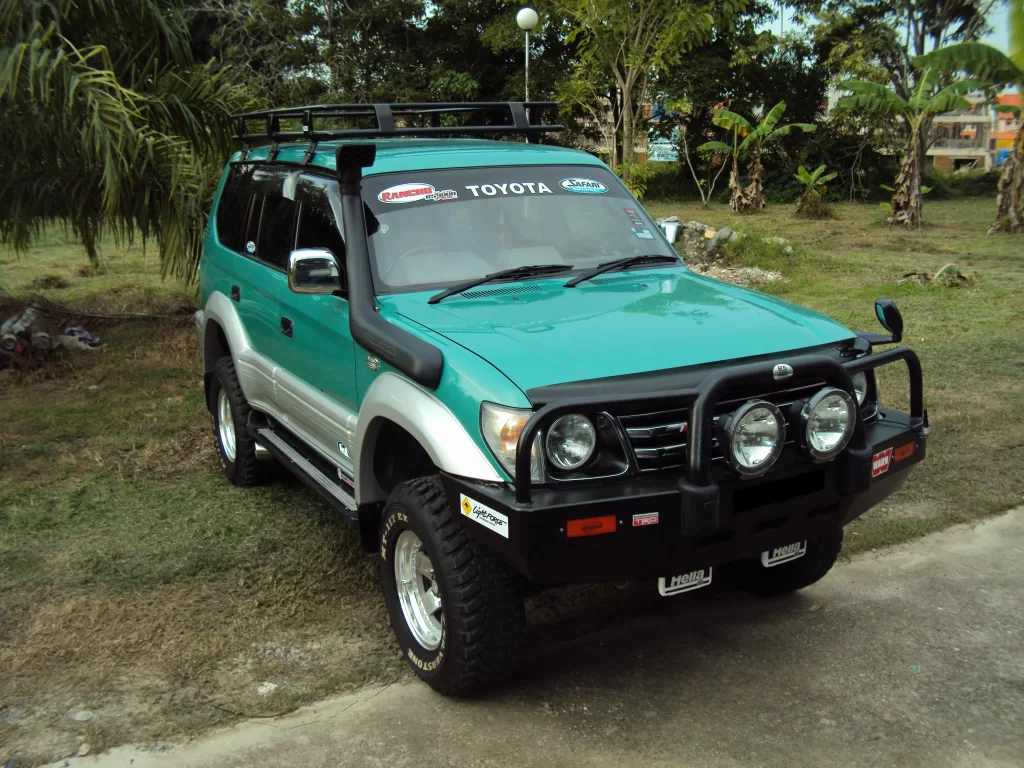
- Safari-style: External tubing, common in rugged use.
- Hidden snorkels: Built into A-pillars for a sleeker look.
- Materials: UV-resistant polyethylene lasts longer in harsh sun; stainless steel resists heat better.
- Heads: Forward-facing boosts airflow, backward-facing cuts dust intake, adjustable scoops offer flexibility.
Australian-made snorkels follow ADR compliance rules for safe mods.
Installing and Maintaining Your Snorkel
Key steps:
- Seal factory intake holes completely.
- Avoid sharp bends in tubing—restricts airflow.
- Keep MAF sensors in the stock position.
- Test for leaks with soapy water or smoke.
Maintenance tips:
- Clean pre-cleaner heads monthly in dusty areas.
- Check clamps for rust (especially near coasts).
- Clear debris traps inside the snorkel.
Poor sealing lets dust bypass filters; wrong head angle can suck in rain.
Why Snorkels Matter for B2B Buyers
Australia’s 4×4 tourism and mining sectors drive snorkel demand. Shops can bundle them with air filters or ECU tunes. Custom options (color-matched snorkels, light mounts) appeal to buyers. NCOP rules guide legal aftermarket mods. For fleets, snorkels cut engine failures and warranty costs.

How a Car Snorkel Works in Tough Australian Conditions
A car snorkel is an elevated air intake system for 4×4 vehicles. It pulls air from above the roof level, avoiding water, dust, and debris that can damage your engine. In Australia, where river crossings and dusty Outback tracks are common, snorkels are essential for off-road reliability.
Why Snorkels Prevent Engine Water Damage
A standard air intake sits near the wheel well or grille. In deep water, hydro-lock can occur—when water enters the engine, causing costly damage. A snorkel raises the intake to 1 meter or higher, reducing this risk.
Key Features for Water Protection:
- Sealed tubing (silicone or heat-welded) prevents leaks
- ISO 19447 standards ensure water resistance
- Works in crossings up to waist-deep water (with proper sealing)
In Australia, creek crossings often reach 50–80cm deep, which standard intakes can’t handle.
Dust Protection in Harsh Environments
Ground-level air contains 10x more dust—especially on Outback tracks. A snorkel draws cleaner air from roof height. Some models include cyclonic pre-cleaners (like Donaldson heads) that spin dust out before it reaches the filter.
Benefits:
- Air filters last 3x longer in dusty conditions
- Prevents fine silt buildup, which clogs engines
- Essential for mining or desert driving
Performance Improvements Beyond Off-Road
Snorkels don’t just protect—they improve airflow:
- Ram-air effect increases intake pressure (5-10%) at highway speeds
- Cooler roof-level air (10–15°C lower) boosts combustion efficiency
- 2–4% better fuel economy in dry climates
Turbo engines benefit most, as denser air improves response.
Snorkel Types and Materials
- Safari Snorkels – External tubing (most common)
- Hidden Snorkels – Built into A-pillars (sleeker look)
- Modular Systems – Adjustable height for different terrains
Materials:
- UV-stable polyethylene – Lightweight, no rust
- Stainless steel – Heavy-duty but requires insulation
Snorkel Heads:
- Forward-facing – Better airflow at speed
- Backward-facing – Less dust intake
- Adjustable scoops – For changing conditions
Australian ADR compliance ensures safe modifications.

Installation and Maintenance Tips
Proper Setup:
- Seal factory intake holes completely
- Avoid sharp bends in tubing (restricts airflow)
- Secure clamps tightly (saltwater corrodes weak points)
Maintenance:
- Clean pre-filter monthly in dusty areas
- Check for cracks in sun-exposed plastic
- Inspect seals before deep water crossings
Common Mistakes:
- Poor sealing → dust/water leaks
- Wrong head angle → rain ingestion
Why Snorkels Are Growing in Demand
- Australia’s 4×4 tourism boom drives sales
- Mining & farming fleets need durable solutions
- Shops bundle snorkels with high-flow filters or ECU tunes
Aftermarket rules (NCOP Guidelines) affect installations—always follow legal standards.
By understanding these benefits, B2B buyers (like 4×4 shops) can better advise customers on the right snorkel for their needs.