









Advice
What Does a Snorkel Do for Your 4×4?
What Does a Snorkel Do for Your 4×4?
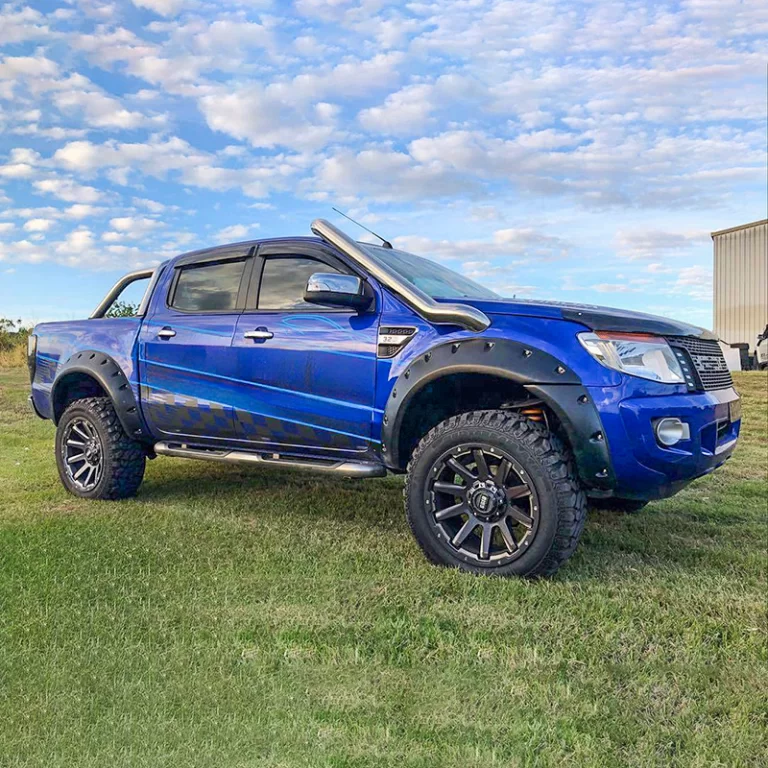
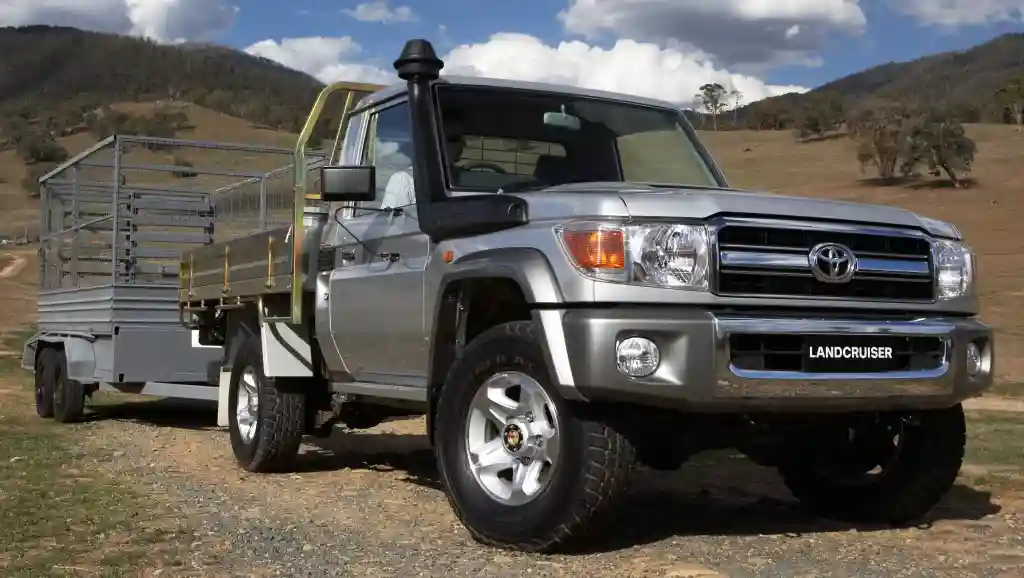
Snorkels allow your 4WD to breathe from a higher air intake point, reducing the risk of water or dust clogging the engine. In a typical vehicle, air intake happens lower down, usually around the wheel arch, which can be risky if you’re crossing rivers or driving through heavy dust. With a snorkel, air is drawn in from roof level, away from potential contaminants.
Can You Submerge a 4WD With a Snorkel?
We get it—snorkels look tough and rugged, so it’s fair to wonder if they can turn your 4WD into an off-road submarine. While it’s not a question you’d typically need an answer for (we can’t think of a good reason to fully submerge your vehicle unless you’re in a cold war with your neighbour), we’re here to satisfy your curiosity.
While a snorkel significantly improves your water-crossing capabilities, it doesn’t make your vehicle fully submersible. Snorkels are designed to keep the engine’s air intake dry by drawing air from a higher point, typically at roof height, which prevents water from entering and wrecking your engine.
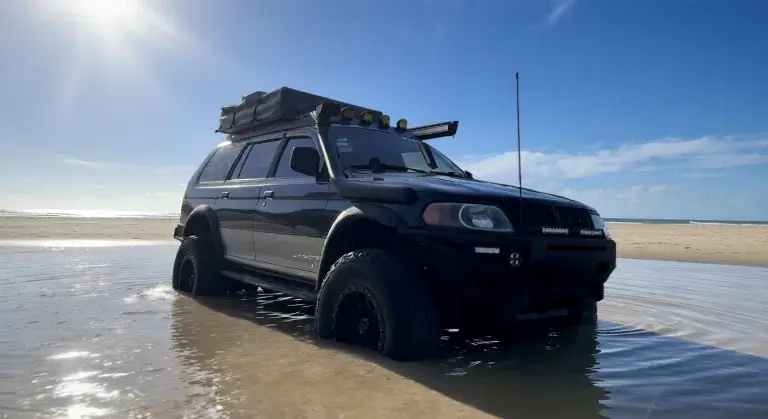
However, other parts of your vehicle, like the electronics, exhaust, and differentials, don’t get the same VIP treatment as your engine. Most 4WDs have a manufacturer-specified wading depth. A snorkel might stretch this a little, but full submersion is a no-go unless you’ve extensively waterproofed things like your electrical system and driveline components.
How Deep Can You Go With a 4×4 Snorkel?
To provide an actual figure for how deep you can go with a 4×4 snorkel, it’s important to focus on the vehicle’s manufacturer-specified wading depth. For example, many modern 4x4s have wading depths ranging between 500 mm and 800 mm. This is based on the placement of critical electrical components, differential breather hoses, and other vulnerable systems that a snorkel alone cannot protect.
Even with a snorkel installed, exceeding the wading depth specified by the manufacturer risks water damage to other systems, such as the vehicle’s electrics and drivetrain. For more extreme water crossings, additional modifications like waterproofing electronics and extending breather hoses would be necessary.

Can Rain Cause a 4×4 Snorkel to Clog?
Water Separation Technology
Most snorkels are equipped with a rain head or a pre-cleaner at the top, which helps separate water from the air before it reaches the engine. The design of the snorkel head creates a spinning motion or uses slotted vents to allow rainwater to be expelled through drainage holes, ensuring only clean, dry air continues to the engine.
Water Drainage
Even if some water enters the snorkel, it typically flows down and is drained through strategically placed holes or valves in the snorkel system. These are designed to prevent water from pooling and reaching the air intake.
Bottom line: Snorkels are a game-changer for deeper water crossings, but don’t expect your 4WD to start swimming without some serious mods. And remember, when in doubt, step out and test the water first—literally!
Do Snorkels Improve Engine Performance?
A snorkel can indirectly enhance engine performance and efficiency, but it’s important to set expectations. Here’s how it works and its real-life implications:
- Cooler Air Intake
- The elevated position of a snorkel means it can draw in cooler, cleaner air from above the vehicle rather than the warmer, dustier air near the engine bay. Cooler air is denser and contains more oxygen, which can improve combustion efficiency. Better combustion can result in smoother engine operation, particularly in challenging environments like deserts or high altitudes.
- While the performance boost is marginal, it might lead to slight improvements in fuel efficiency, particularly under heavy load or in conditions where the standard air intake might struggle to supply optimal air quality.
- Dust and Debris Reduction
- In dusty environments like off-road trails or sandy terrains, snorkels significantly reduce the amount of dust and debris entering the engine’s air filter. This not only helps maintain engine health but also allows the engine to “breathe” more freely. A less-clogged air filter means the engine doesn’t have to work as hard to draw in air, which can lead to minor improvements in overall efficiency.
- Water Crossings and Longevity
- Snorkels shine during water crossings by keeping water out of the engine, avoiding catastrophic damage. While this doesn’t directly impact performance, it ensures longevity, allowing the engine to perform reliably in diverse conditions without damage from water ingress.
- Cost-Saving Impacts
- Slight Fuel Efficiency – Any fuel savings due to improved air intake are minimal. Drivers may not notice a significant reduction in fuel consumption unless they’re consistently operating in extreme environments.
- Maintenance Savings – The reduced strain on the air filter and improved air quality can lead to lower maintenance costs over time. It could save you a ton if you’re the type to take on storm floods head-on.
While a snorkel isn’t a performance booster in the traditional sense (e.g., no added horsepower), it helps the engine handle challenging conditions more efficiently. For off-road enthusiasts, the real value lies in cleaner air intake and added durability in tough environments.
That said, no one installs a 4×4 snorkel expecting to save on fuel or maintenance—it’s more about enhancing your 4×4’s capability for the adventures you love.
Do You Need a Snorkel for Your 4WD?
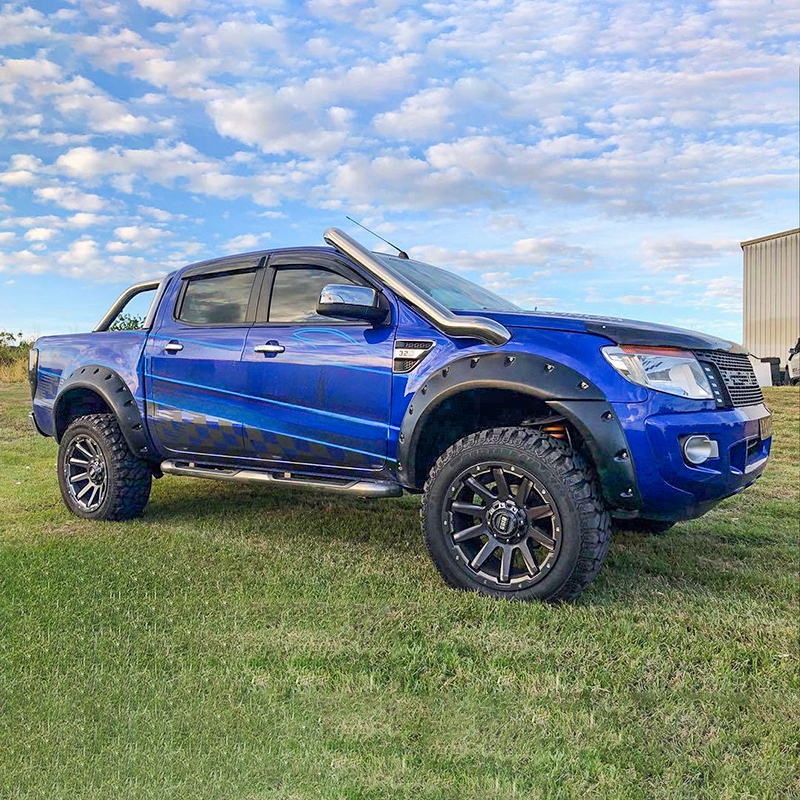
This comes down to how you use your 4WD. If your adventures mainly involve tarmac and urban areas, a snorkel might not be essential.
However, if you’re regularly off-roading, a snorkel can be a valuable upgrade. It’s particularly useful if you encounter river crossings, dusty roads, or sandy areas that could impact your engine. A snorkel becomes an investment in longevity and reliability for those who go the extra mile—or through deep water.
Pros and Cons of 4×4 Snorkels
Let’s break down the advantages and disadvantages of 4×4 snorkels to give you a clearer picture:
| Pros | Cons |
| Water Protection – Helps keep water out of the engine during crossings.Cleaner Air – Reduces dust intake, which protects the air filter and engine.Cooler Air Intake – Higher air intake may draw in cooler air, which can marginally help with efficiency. | Installation Costs – Snorkels need professional fitting, which can be costly.Potential for Damage – Low-hanging branches or impacts can damage the snorkel.Aerodynamics – Some drivers note a slight change in vehicle aerodynamics, especially at highway speeds. |
Choosing the Right Snorkel for Your 4WD
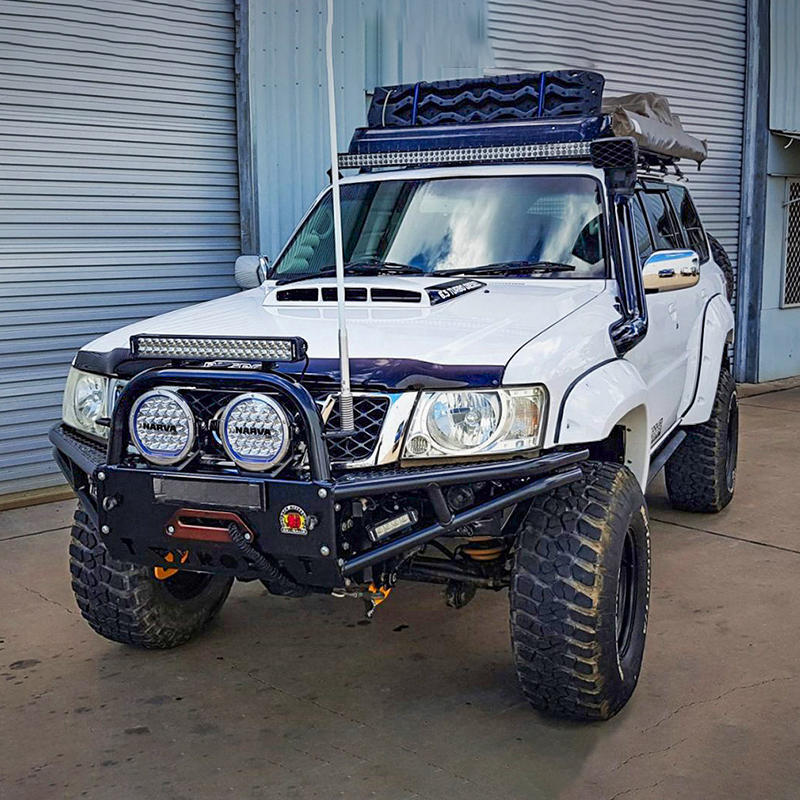
If you’re set on adding a snorkel, choosing a quality brand is key. Look for snorkels designed to fit your specific make and model and ensure they are built to withstand Australia’s tough conditions.At Unity4wd we offer high-quality Car Snorkel, which are renowned for their durability and performance. Be wary of cheaper, poorly designed models that could compromise your engine’s safety and longevity.
Snorkels for Off-Road Success with Unity4wd
Related Products
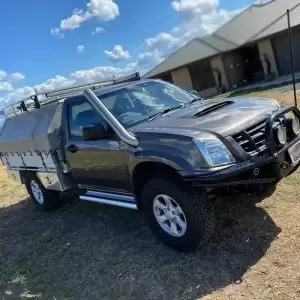

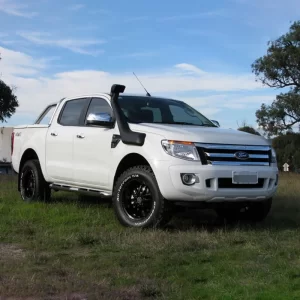
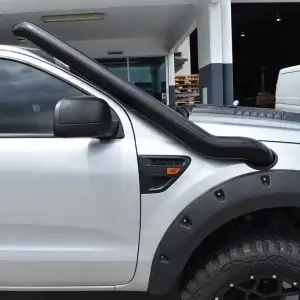
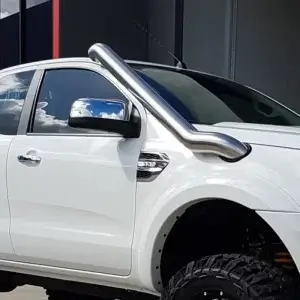
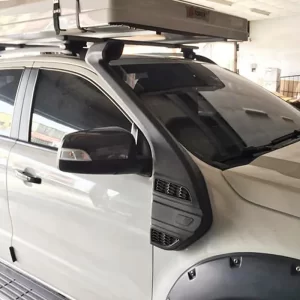
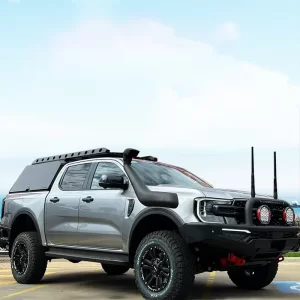
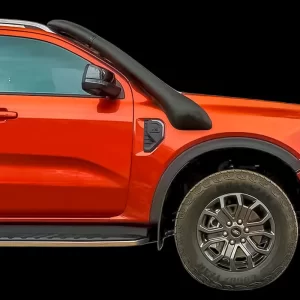
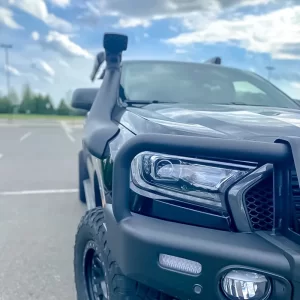
A snorkel is more than just an accessory; it’s a safeguard for those who drive their 4WDs through challenging environments. Whether it’s protecting against water ingress, dust, or just improving airflow, a 4×4 snorkel can be a worthy addition. Think about your off-roading needs and consider if it’s the right fit for your adventures. At Unity4wd, we’ve got a range of 4×4 snorkels designed to keep your 4WD ready for whatever the trail throws at it!