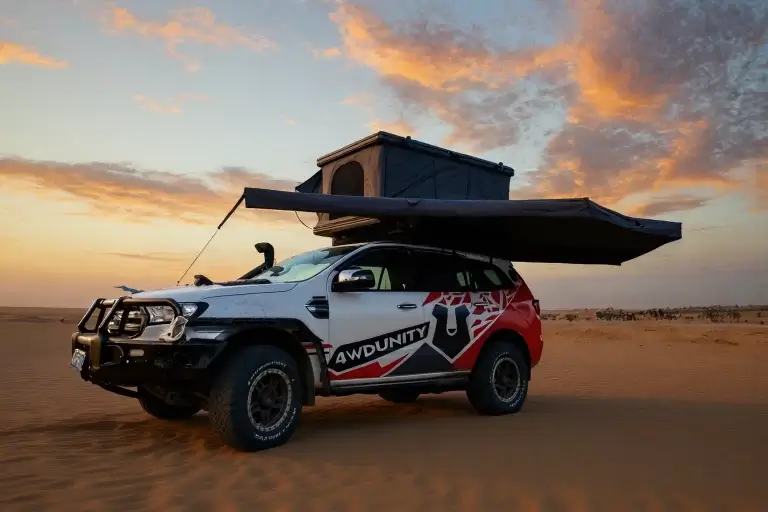








Offroad vehicles need tough protection that regular bumpers can’t provide. Steel car bumpers are built to handle rocks, branches, and rough trails better than factory plastic bumpers. These heavy-duty bumpers protect your vehicle while adding useful features. Learn why steel bumpers matter for offroad safety and performance.
Steel bumpers are stronger and more reliable offroad than stock bumpers. Here’s how:
- Thicker material: Steel bumpers are 3/16″ to 1/4″ thick, while factory bumpers use thin metal or plastic.
- Better impact resistance: Steel doesn’t crack like plastic when hitting rocks or trees.
- Built-in recovery points: Steel bumpers have mounts for winches and tow straps—no drilling required.
- Improved angles: Factory bumpers scrape on obstacles, but steel bumpers are designed for better clearance.
- Longer-lasting: Steel resists sun damage and rust better than plastic or cheap metal.
Steel bumpers also help balance your vehicle’s weight for climbing steep hills without tipping.
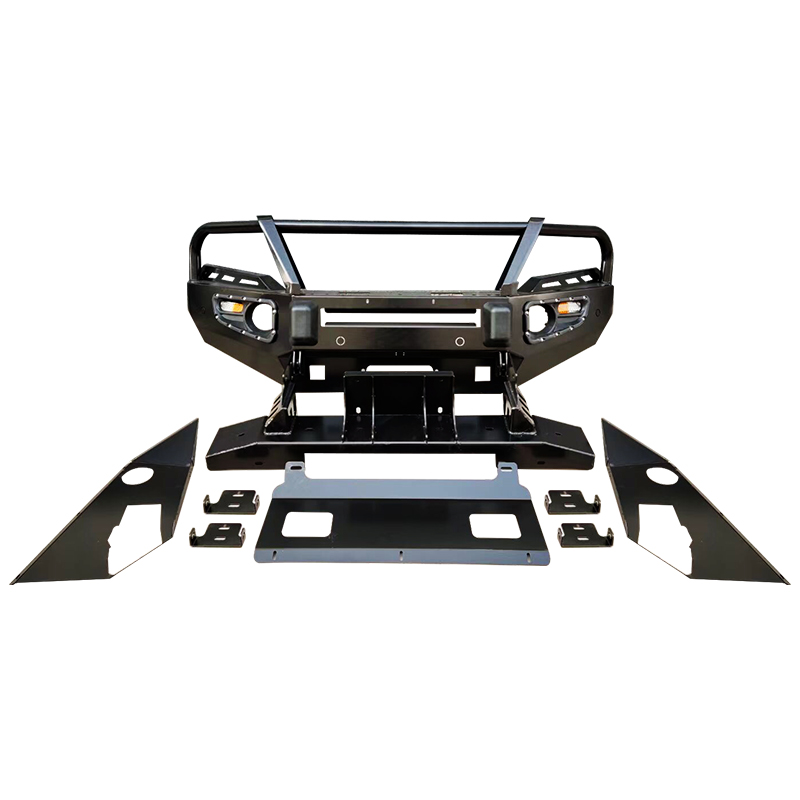
Key Protection Features of Steel Bumpers
Steel bumpers include extra safety features most stock bumpers lack:
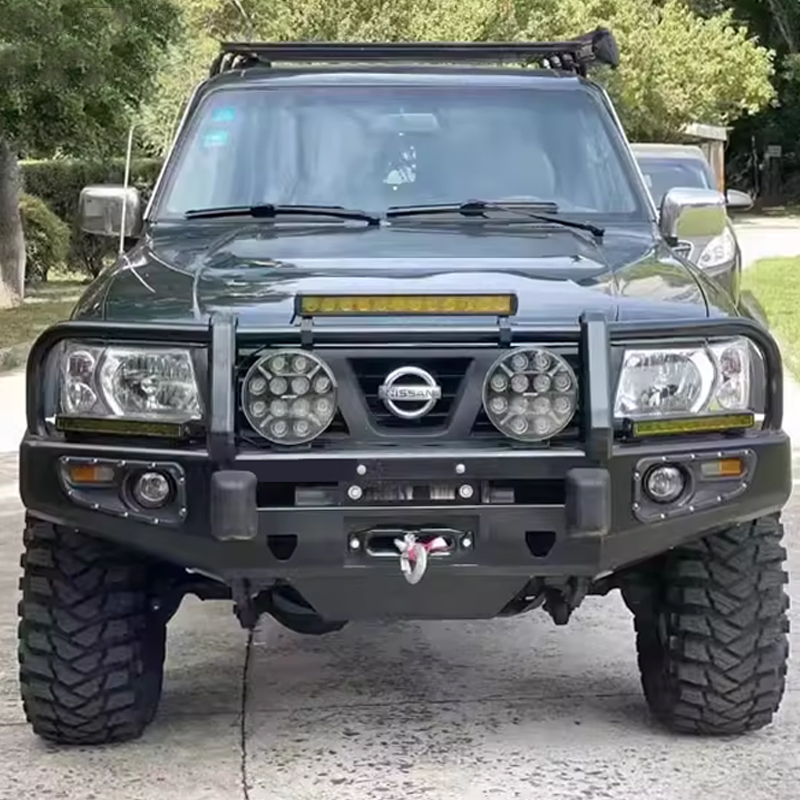
- Bull bars shield your grill and headlights from animal strikes or trail debris.
- Skid plates protect the engine and transmission from sharp rocks underneath.
- Side guards keep branches from damaging fenders and quarter panels.
- Heavy-duty mounting spreads crash forces across the frame, not just one weak point.
- Replaceable parts let you fix damage without replacing the whole bumper.
Steel bumpers also help maintain better approach angles so your vehicle doesn’t get hung up on obstacles.
Performance Upgrades Steel Bumpers Provide
Beyond protection, steel bumpers add useful offroad features:
- Built-in mounts for extra lights (light bars, fog lamps).
- Swing-out tire carriers or fuel can holders for long trips.
- Special jack points for trailside repairs.
- Hidden storage compartments for recovery gear.
- Better weight distribution for crawling over rocks slowly.
These upgrades make offroading easier and safer than with weak factory bumpers.
What Makes a High-Quality Steel Bumper
Not all steel bumpers are the same. The best ones use:
- DOM steel tubing—stronger than regular pipe steel.
- Laser-cut parts for precise fitment without bending.
- Powder coating or galvanizing to prevent rust.
- Proper welding (MIG or TIG) instead of weak spot welds.
- Smart designs that maximize strength without extra weight.
A well-made steel bumper lasts years and protects your vehicle better than cheap alternatives.
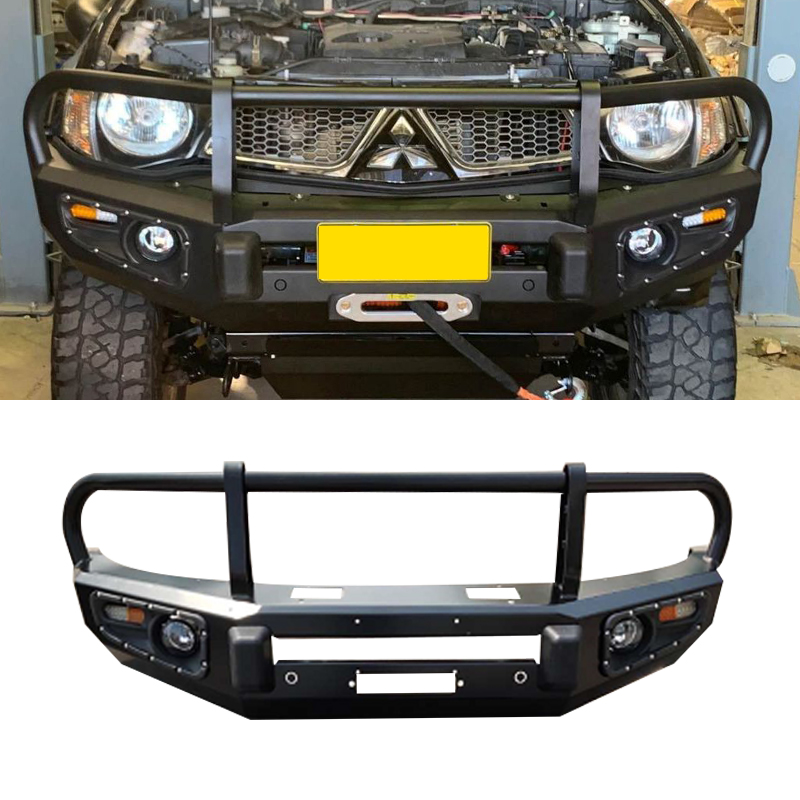
Why Offroad Shops Should Stock Steel Bumpers
Steel bumpers are profitable for businesses because:
- Customers want upgrades for popular trucks and SUVs.
- They can be customized with lights, winches, and other add-ons.
- Strong demand exists Jeep, Toyota, and Ford models.
- Shops can make extra money from installation services.
- Bulk-buying parts lowers costs while keeping quality high.
Selling steel bumpers helps shops build a loyal customer base focused on offroad durability.
Installing Steel Bumpers the Right Way
Putting on a steel bumper isn’t always simple. Consider these factors:
- Some vehicles need frame reinforcements to support heavier bumpers.
- Extra lights might require wiring changes to avoid electrical problems.
- Checking suspension balance prevents handling issues.
- Local laws may regulate bumper height or light placement.
- Advanced safety systems (like parking sensors) might need recalibration.
Professional installation ensures the bumper works correctly without causing new problems.
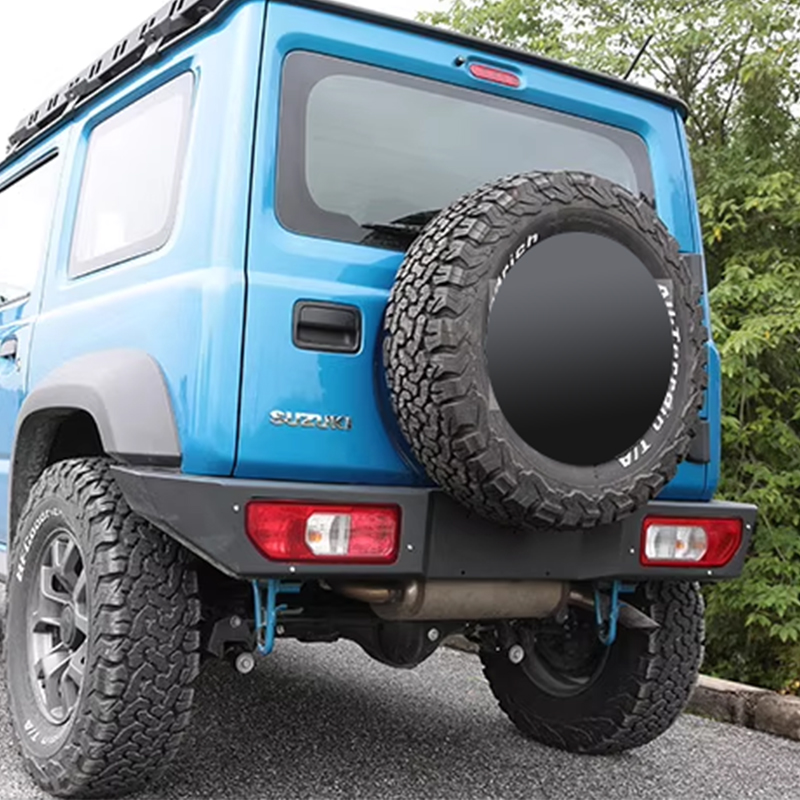
Why Steel Car Bumpers Are Essential for Offroad Vehicles
Key Differences Between Steel and Factory Bumpers
Steel bumpers protect better than factory bumpers. Factory bumpers use plastic or thin metal that bends easily. Steel bumpers use 3/16″ to 1/4″ thick steel to handle rocks and heavy impacts.
Steel bumpers come with built-in mounts for winches and recovery gear. Factory bumpers need extra parts to add these features. Steel designs also improve approach and departure angles, which helps when climbing or descending rough trails.
UV rays and water can damage plastic bumpers over time. Steel bumpers resist fading, cracking, and rust when properly coated.
Critical Protection Features of Steel Bumpers
Steel bumpers include protection that factory versions do not:
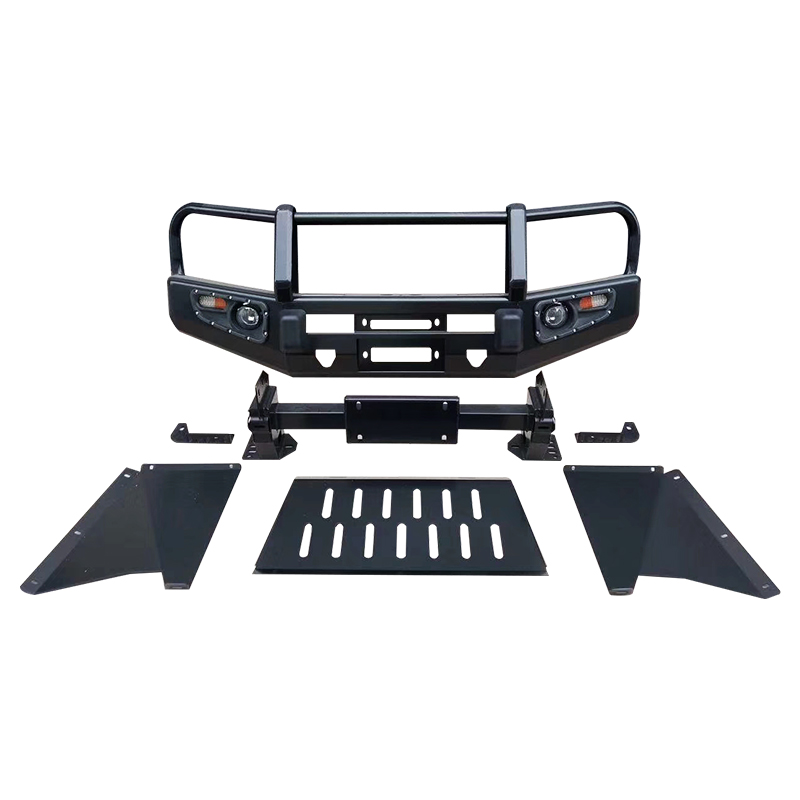
- Bull bars shield radiators and headlights from animal strikes.
- Skid plates protect undercarriage parts from rocks.
- Side wings prevent damage to fenders during tight trails.
- High-strength mounts spread impact forces safely across the vehicle frame.
Many steel bumpers have bolt-on sections so you can replace damaged pieces without buying a whole new bumper.
Functional Upgrades Steel Bumpers Offer
Steel bumpers improve offroad performance:
- Recovery points make winching safer and protect the frame.
- Light mounts for LED bars or fog lights without DIY modifications.
- Swing-out carriers for spare tires or fuel cans save interior space.
- Hi-lift jack points help with trailside repairs where standard bumpers fail.
Steel bumpers also help balance vehicle weight for better control on steep slopes.
What Makes Quality Steel Bumpers Strong?
The best steel bumpers use:
- DOM steel tubing – stronger than regular steel.
- Laser-cut plates – precise shapes reduce weak spots.
- Powder coating – prevents rust better than normal paint.
- Proper welding – MIG/TIG welding keeps seams strong.
Some bumpers use abrasion-resistant coatings to resist scratches from branches and rocks.
Why Businesses Should Sell Steel Bumpers
Offroad shops can benefit from steel bumper sales because:
- They fit multiple vehicle models (Toyota, Ford, Jeep).
- Customers often add accessories (winches, lights).
- Universal mounting parts reduce inventory costs.
- Custom bumper designs allow premium pricing.
Popular vehicles like the Jeep Wrangler and Toyota Hilux have strong demand for upgraded bumpers.
Installation Tips for Steel Bumpers
Installing steel bumpers requires extra steps:
- Some trucks need frame reinforcement for heavy bumpers.
- Factory sensors and cameras may require adjustment.
- Lighting upgrades must connect safely to avoid electrical issues.
- Weight distribution affects suspension, so check alignment after installation.
Local laws may limit bumper protrusions or lighting types, so check regulations first.
(References: DOM steel strength tests, NHTSA bumper regulations, offroad approach angle studies)